

























































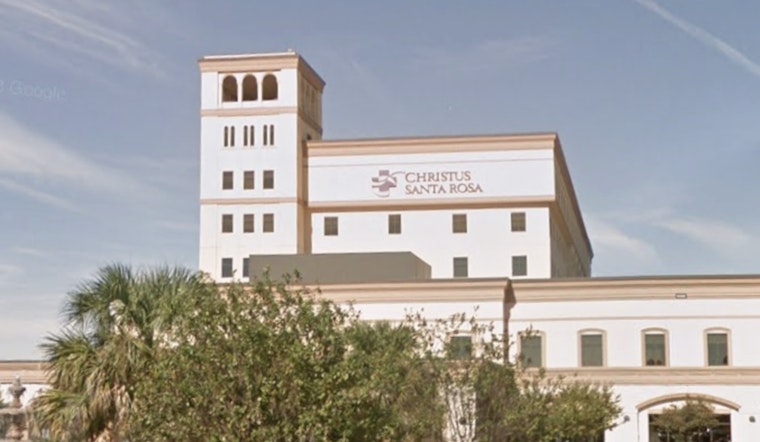
If you live on San Antonio’s far West Side, the trek for cutting-edge stroke care just got shorter. CHRISTUS Santa Rosa Hospital – Westover Hills has brought advanced endovascular stroke treatment to its campus, adding high-end imaging and a dedicated neuro‑intensive care unit so patients aren’t waiting on long transfers across town. The expansion also includes an outpatient neurology clinic across the street for follow‑ups and prevention.
As reported by San Antonio Report, CHRISTUS broke ground on a four‑story tower in 2023 and in October unveiled a Philips neuro biplane imaging system at Westover Hills — the first of its kind on the West Side — as the hospital ramps up specialty services for the Hwy. 151/Loop 1604 area. Local clinicians told the paper the upgrade should reduce transfers to South Texas Medical Center for certain procedures.
How the biplane speeds treatment
The Philips neuro biplane — a biplane configuration of the Azurion image‑guided therapy platform — provides simultaneous frontal and lateral X‑ray views that help clinicians see tiny aneurysms and clot‑bearing vessels and navigate them more precisely. That setup supports complex neuro interventions like endovascular thrombectomies and aneurysm repairs, with features designed to improve image clarity while managing radiation dose, according to Philips' product information.
Local need by the numbers
According to University Health, Bexar County’s stroke death rate for people 35 and older was 88 per 100,000 for 2018–2020 — higher than the Texas and U.S. averages. The agency’s 2022 community health needs assessment also shows neighborhood variation: the Near Eastside had the highest share of adults reporting a prior stroke, while the Near West Side ranked among the highest as well.
Why geography matters
A 2025 study in the CDC’s Preventing Chronic Disease journal found more than 49 million Americans live beyond a 60‑minute drive to an endovascular‑capable stroke center, leaving rural and lower‑income communities at a disadvantage. The analysis linked longer drive times to higher burdens of cardiometabolic risk and poorer access to advanced treatment — a context that helps explain why bringing this care closer to the Far West Side matters.
What patients should do
Know the signs — BE FAST — and call 911 immediately. University Health and local providers emphasize using emergency services over self‑transport. Dr. Ryan Morton, who joined the hospital this summer, told reporters the new equipment and a staffed neuro‑ICU “should minimize those complications” and “allow us to treat these problems safely, quickly and accurately,” a change he said will improve outcomes for people who live on the West Side. In the coming months, officials say the adjacent outpatient neurology clinic will start taking patients for follow‑up and prevention care.
The additions at CHRISTUS Santa Rosa – Westover Hills are part of a broader push to keep specialty services close to neighborhoods that need them, hospital executives said in a release. As CHRISTUS Health notes, the neurology clinic will start seeing patients in the new year and the system expects the neuro‑ICU to provide around‑the‑clock care for complex cases.




