

























































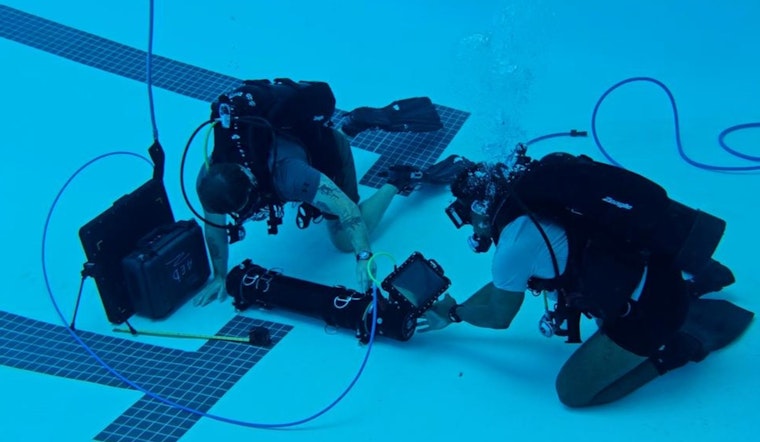
Breaking new ground in underwater inspection, researchers at Oak Ridge National Laboratory (ORNL) have managed to take X-ray vision beneath the waves, offering a safer, immediate way to peer inside submerged objects and structures. In a development set to revolutionize maritime safety protocols, divers are now equipped with a first-of-its-kind, portable X-ray imaging system that cuts through water to reveal hidden dangers, according to an announcement from the lab.
Traditional underwater examination methods leaned heavily on gamma radiation, which came with its own set of concerns for aquatic life and dive teams. Paul Groth of ORNL highlighted the contrast, stating that, "Seeing inside submerged objects required a source of gamma radiation that posed safety risks for the diver and the marine environment,” and usually also caused delays for image processing on land. The new X-ray device not only clears up these issues but also presents images instantly, thanks to sophisticated processing techniques that adapt to the reduced X-ray intensity underwater in real-time.
Industry partner The Sexton Corporation saw the commercial potential in this innovation, aligning their efforts with the ORNL team; their collaborative enterprise has even nailed a prestigious 2025 R&D100 Award for this forward-thinking technology. Strong field test results from ocean trials suggest this isn't just a splash in the pan—it's a tool that has the potential to redefine safety standards for shipping, infrastructure maintenance, and resource extraction.
Looking ahead, the implications of this technology could reach far and wide into improving security measures for ships, making maintenance check-ups on critical welding joints in bridges, pipelines, and oil rigs less cumbersome and more efficient although it's not just about response times, it's about achieving higher safety levels while minimizing ecological impacts, a win-win for industry workers and marine environments alike. Indeed, a deep dive into the future of underwater safety and inspection may just have become a whole lot clearer.





