

























































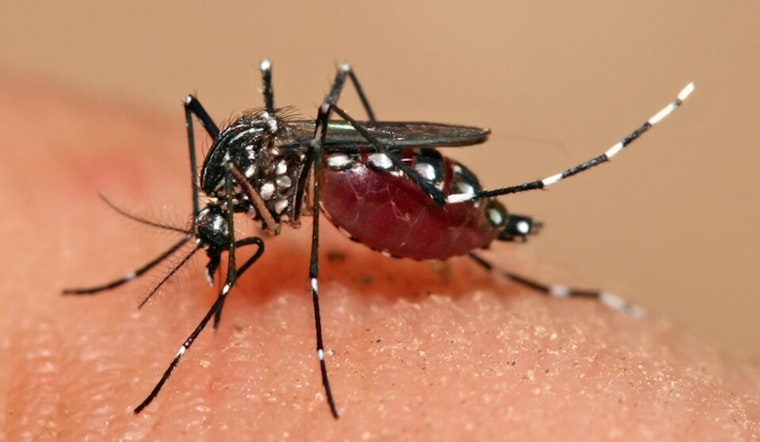
Residents of Sunnyvale and Santa Clara are on high alert after the discovery of Aedes aegypti mosquitoes near Robbia and Chopin drives, an area not previously known to host this invasive species. According to the Sunnyvale Department of Public Safety, these mosquitoes, which are distinct for their daytime biting habits, increase the risk of local disease transmission. The presence of Aedes aegypti in new neighborhoods is a significant health concern; although diseases like dengue and Zika are not presently established in the county, the spread of this mosquito could change that, and fast. "It means the mosquito is surviving and reproducing in our community, increasing the risk of these diseases," the post warned, signaling the need for heightened community vigilance.
The Aedes aegypti mosquitoes are not your garden-variety pests. Originating from tropical and subtropical regions, these critters aggressively bite humans multiple times, primarily throughout daylight hours. They have been hitching rides into new territories, often by sticking their eggs onto items such as plants and tires, as explained by the Santa Clara County Mosquito and Vector Control District on their website. While they are more accustomed to city life than the wild, the spread of this species to new areas poses a Public Safety officials emphasize the importance of dumping standing water once a week and scrubbing containers to prevent eggs from hatching. This community-centered approach is crucial for maintaining mosquito populations under control and minimizing the risk of disease transmission.
The threat of these mosquitoes spreading serious illnesses is not just hypothetical. Infected travelers could act as disease conduits if bitten by Aedes aegypti mosquitoes now residing in Santa Clara County, potentially kicking off the local spread of these illnesses. Local health officials urge residents to play an active role in mosquito prevention. This includes eliminating standing water around homes, maintaining clean gutters, sealing water collection systems, and ensuring window and door screens are intact. Actions as simple as keeping plant pots dry and disposing of unused tires can make a significant difference in disrupting the mosquito's life cycle.





