

























































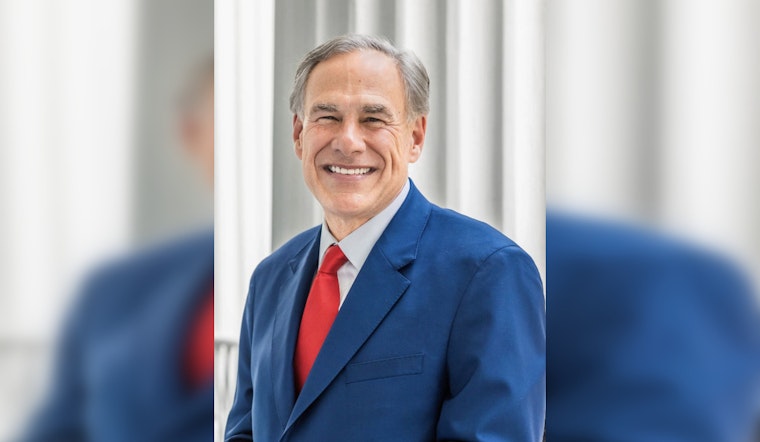
Texas Governor Greg Abbott directed the state’s Department of Public Safety (DPS) to begin criminal investigations into the Muslim Brotherhood and the Council on American-Islamic Relations (CAIR), according to an announcement on the official Texas governor’s website. In the press release, he said, “The goal is to identify, disrupt, and eradicate terrorist organizations engaged in criminal activities in Texas.” Abbott also referred to what he views as efforts to impose Sharia law, which he states conflict with the Texas Constitution and state laws.
The Texas DPS, working with local and federal law enforcement agencies, including the FBI’s Joint Terrorism Task Forces, has been directed to gather intelligence and, if warranted, pursue legal action against groups or individuals suspected of advocating or engaging in activities defined as extremist under state and federal law. These operations are presented by Governor Abbott’s office as part of broader efforts to address security-related issues in Texas and to protect the public from harassment and other criminal conduct attributed to such organizations, consistent with the administration’s stated focus on national security matters.
Through this directive, Governor Abbott continues his administration’s approach toward organizations such as the Muslim Brotherhood and CAIR. He has previously taken steps including designating them as foreign terrorist organizations and initiating inquiries into reports of Sharia courts operating in Texas. These actions are described by his office as part of an effort to protect Texas residents from what he identifies as ideological threats that he says are inconsistent with state laws and norms.
Texas DPS Special Agents will play a central role in these investigations, participating in joint task force operations that involve monitoring and addressing any suspected efforts by groups to coordinate criminal activities or create what the governor describes as “a breeding ground for extremist Islamic radicalism,” according to the press release. He uses this term to refer to behaviors and affiliations he views as potential risks to the state’s legal and social frameworks. Observers have noted that such initiatives may raise questions about civil liberties and the potential implications for policing practices.





