

























































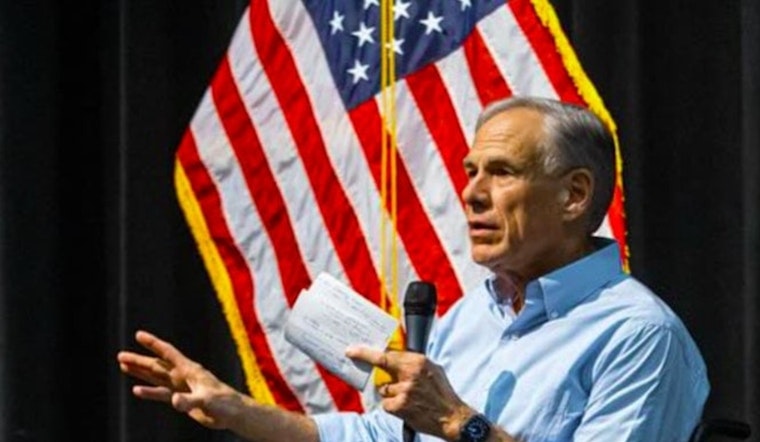
Texas Governor Greg Abbott has raised a dispute regarding a longstanding water treaty with Mexico, according to an announcement on the governor's official website. Abbott, backed by the Texas Commission on Environmental Quality (TCEQ), is calling for immediate action for what they claim is Mexico’s failure to meet water delivery obligations to the United States under the 1944 Water Treaty. "Mexico must be held accountable for their continued breaches of our long-standing water agreement," Governor Abbott stated. The governor emphasised that Texas farmers are facing "preventable hardship" and a decline in the agricultural viability of the Rio Grande Valley due to these alleged breaches.
The recent closure of the latest five-year cycle of the treaty on October 24, 2025, has led to the accusation that Mexico fell short in supplying the required 1.75 million acre-feet of water. According to a statement, preliminary data indicate a deficit of more than 800,000 acre-feet of water from Mexico's side, amounting to around two and a half years of required deliveries. Texas also claims to have upheld its end of the bargain by consistently meeting its delivery obligations on the Colorado River.
Economic repercussions have not gone unnoticed. Tonya Miller of TCEQ remarked, "Economic losses from delayed water deliveries cannot be recovered." Businesses and communities in the lower Rio Grande Valley are expected to experience continued suffering unless there is a change. A study from Texas A&M University projected that the economic losses in the Rio Grande Valley hit $994 million in 2023 as a result of the water shortage.
Historically low levels at the Falcon and Amistad reservoirs last year meant Texas had to receive Mexico's water deliveries via non-designated sources, preventing the state from storing water that wasn't immediately used. The frustration led to Texas senators John Cornyn and Ted Cruz proposing the Ensuring Predictable and Reliable Water Deliveries Act of 2025, aiming to hold Mexico accountable and limit engagement until Mexico adheres to their obligations. The act was designed to pressure Mexico to provide water to South Texas, as per the treaty terms.
Collaboration with various federal agencies, including the International Boundary and Water Commission and the U.S. Department of Agriculture, was promised by Texas authorities to ensure water provisions in the affected regions. These agencies are likely to play a crucial role in navigating the diplomatic and bureaucratic hurdles that accompany transboundary water governance and treaty enforcement. While the full details of the proposed legislation and diplomatic strategies remain to be seen, the ripple effects on agriculture and economies in the region bear watching.



