

























































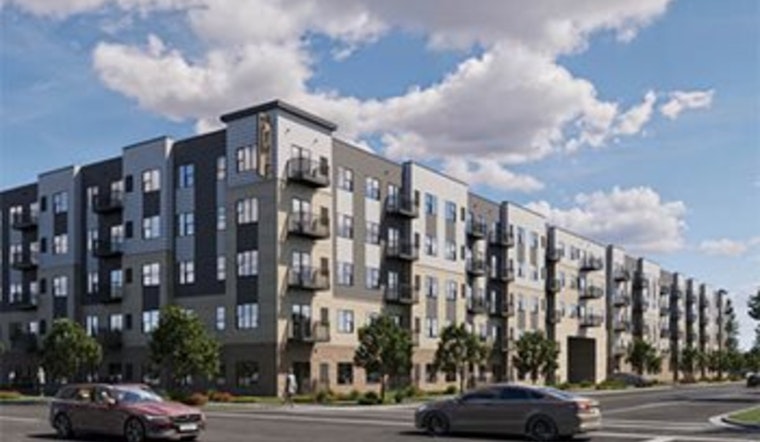
In an effort to enhance community livability and expand access to affordable housing, the Metropolitan Council has stepped up with a significant grant allocation. $15.75 million is being funneled into 15 development projects strategically positioned to tap into the metropolitan transit network, linking jobs, housing, and services with the ebb and flow of daily life across 10 cities in the 7-county metro region. The move is expected to generate a wave of nearly 2,000 affordable homes and score of jobs in the Twin Cities area.
According to a statement obtained by the Metropolitan Council, these substantial grants will not only create 1,672 new affordable housing units for receivers earning less than 80% of the area median income (AMI) but also preserve 306 affordable units already in existence. Market-rate housing will also see a boost, with an additional 484 units on the horizon. This housing endeavour is set to forge 931 permanent full-time jobs and 38 part-time positions, out of which 817 are deemed living-wage opportunities with benefits.
Among the granted recipients of the Livable Communities funds are various cities: Apple Valley, Bloomington, Brooklyn Center, Columbia Heights, Cottage Grove, Falcon Heights, Hopkins, Little Canada, Minneapolis, Saint Paul, and the Saint Paul Port Authority. Each of these localities aligns with the Met Council's vision to forge tighter connections between housing and transportation infrastructure fostering sustainable and thriving communities.
As per the Metropolitan Council, the distribution of these new affordable housing units is carefully calibrated, with 300 homes designated for those earning up to 30% AMI — equating roughly to $39,700 a year for a family of four—and an additional 355 units for earners between 31% and 50% AMI. The largest share, consisting 1,017 units, is slated for households earning between 51% and 80% AMI. This tiered approach underscores the Council's commitment to serving a spectrum of economic needs within the Twin Cities.
The Livable Communities Demonstration Account (LCDA) stands behind the initiative, promoting projects that intertwine housing, employment, and accessible services while leveraging existing community and regional infrastructure. The Grants for Transit-Oriented Development (TOD), on the other hand, are earmarked for high-density projects contributing to a dynamic conglomerate of uses within TOD-eligible areas. In the 2025 grant cycle, competition was stiff as the Met Council grappled with over $33.1 million in requests from 13 cities, compressing those aspirations into the simplified sum allocated.
Every submitted application for LCDA and LCDA-TOD funding underwent a meticulous examination by a dual panel consisting internal staff and the external Livable Communities Advisory Committee—experts from various professional walks of life. Those towering eligible projects that made the grade were beneficiaries of the funding, strategically spread within the realm of prescribed geographic and fiscal ceilings.





