

























































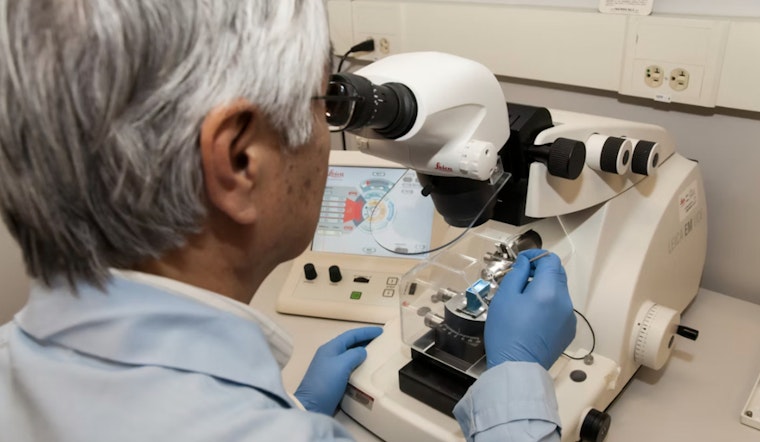
The Vegas Justice League, a Las Vegas nonprofit founded in 2020 by Justin Woo and Lydia Ansel, has quietly taken on a very specific mission: to pay for cutting-edge DNA work that police budgets often cannot afford. The group channels donated money into high-end forensic testing and genetic genealogy, sending evidence to specialized labs that can pull usable profiles from tiny, badly degraded samples. Those efforts have helped unstick cold cases at home and across the country, growing into a wider initiative known as Project Justice.
How the funding works
The League covers the cost of submitting evidence to specialized labs such as Othram, which performs forensic-grade DNA sequencing and genealogical analysis. Each lab submission runs about $7,500, and the nonprofit blends community donations with its own funds to pay that bill, according to KSNV. The organization also reports that an anonymous donor has put more than $1 million behind the mission, allowing multiple cases to be sponsored at the same time.
Local cases and breakthroughs
Detectives say those sponsored tests have delivered very real results in Southern Nevada. The Las Vegas Metropolitan Police Department reported that renewed DNA analysis helped identify a suspect in the 1994 killing of Melonie White after evidence was resubmitted for advanced testing, according to a department release from LVMPD. Similar help went into resolving the long-running Stephanie Isaacson investigation, a breakthrough the group's founders have described in interviews and national coverage of the case, as reported by Fox News.
National reach and numbers
The nonprofit says it has helped solve nine local cold cases, according to KSNV, while also backing investigations in other states. On its news page, Project Justice marked what it called its 50th cold-case solve this year, highlighting identifications that finally returned names to families in multiple states. The group argues that those outcomes show how targeted donor money can revive long-stalled investigations and provide answers that might otherwise never arrive.
Privacy and policy questions
The rise of genetic genealogy has not been universally celebrated. In 2019, the Department of Justice issued interim guidance that sets limits and urges caution when agencies use forensic genetic genealogy, stressing that other investigative paths should be tried first, according to the DOJ. Civil-liberties advocates warn the technique can sweep in relatives who never personally agreed to testing, a privacy concern raised in national coverage of the method by Fox 5 New York. The result is a field where police, labs, and funders operate with both the promise of answers and the weight of privacy safeguards in mind.
The nonprofit's founders argue that the basic calculation is straightforward: a relatively modest investment can pull new names from old evidence, restart dormant investigations, and bring long-postponed closure to families. The group keeps a running list of funded cases and details on how to support its work on its website, Vegas Justice League.





