

























































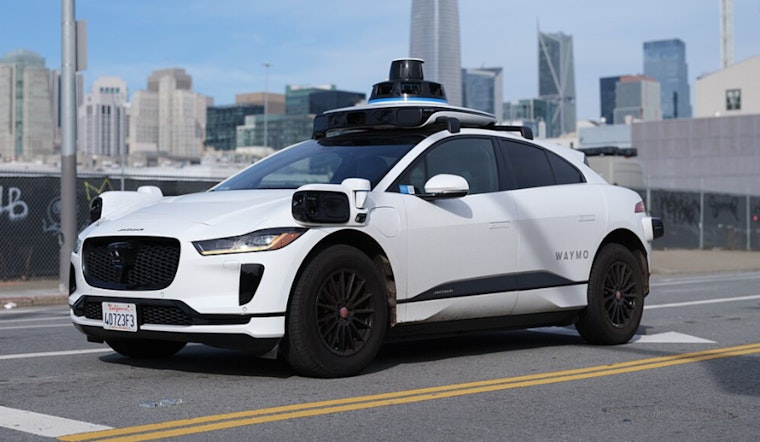
Waymo is pushing the envelope of autonomous transportation with the recent authorization to test driverless vehicles across a broader swathe of California, including major areas around Sacramento. As reported by FOX40, the company can now operate its Jaguar I-Pace and Zeekr RT models in various conditions and speed limits, covering cities from Elk Grove to Woodland in what could be seen as a significant stride towards the future of urban mobility.
The Department of Motor Vehicles has given Waymo the green light to run these vehicles all day, regardless of weather, which is expected to not only test the technology's capabilities but also its adaptability to real-world dynamics. In a move to possibly continue to expand their coverage, Waymo has announced plans to test services in San Diego by mid-2026, reflecting a strategic push into new markets and terrain, as noted by Techloy.
While this expansion is a technical leap for Waymo, it's a tentative step in the regulatory dance, with the company still required to secure separate approvals to carry paying passengers in these areas. This hurdle is crucial in determining when most Californians will be able to hop into a driverless taxi for their daily commutes. Waymo's intention is to continue to push boundaries, setting hurdles for the likes of Amazon-owned Zoox and Tesla, which are also making moves in the autonomous vehicle spree, according to details given by Techloy.
However, the rush to spread a futuristic mode of transport comes with its shares of challenges. Waymo's own statistics suggest its self-driving cars are significantly safer than those with human drivers at the wheel, with "91% fewer serious injury crashes, and 92% fewer crashes injuring a pedestrian," as they claim. Yet, concerns remain after incidents in Atlanta and the Bay Area, highlighting the required vigilance over these vehicles. "I think they need to be held to a higher standard," remarked Robert Sumwalt, a CBS News transportation safety expert, underscoring the need for heightened safety measures before widespread adoption, as mentioned by CBS News Los Angeles.
As California's roads prepare to welcome more driverless vehicles, Waymo's advancements could serve to revolutionize how city dwellers perceive car ownership and urban transport. This change comes not as a sudden revolution but rather as a gradual adoption, with the everyday user's uptake being shaped as much by technical feasibility as by regulatory go-aheads and public sentiment. With over a million rides a month already being provided in the Bay Area and LA, as per CBS News Los Angeles, the path towards fleets of autonomous vehicles intermingling with conventional traffic is clearly set, but the journey there promises to be cautious and methodical.



