

























































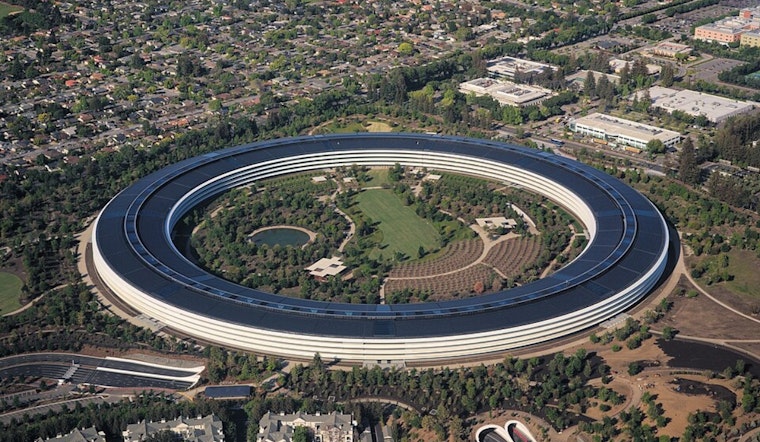
Apple has quietly scooped up another batch of office buildings in Cupertino, tightening its grip on the area around Apple Park and turning more of its leased space into property it owns outright. The latest deal, first reported yesterday, is one more sign that Apple is digging in across the South Bay even as plenty of other tech companies are trimming or rethinking their office footprints.
As reported by Business Journals, reporter Asia Martin noted that Apple had leased the Cupertino properties involved for nearly a decade before the sale closed. The Business Journals story identified which buildings changed hands and provided the first public look at the transaction.
Part of a wider buying spree
This latest purchase is not a one-off. It fits neatly into a broader shopping spree Apple has been on this year. The San Francisco Chronicle reported that in late June Apple shelled out more than $517 million to buy several Bay Area office campuses it was already occupying. Outlets such as 9to5Mac and AppleInsider have broken down the specifics of those earlier deals, which follow the same pattern of turning long-term leases into owned real estate.
Industry watchers say the strategy leaves little doubt about Apple’s preference: if the company plans to be somewhere for the long haul, it would rather own the land and buildings than rent them.
Why Apple is buying
Analysts point out that owning its buildings gives Apple tighter control over design, amenities and long-term costs, and makes it easier to tailor space for particular teams and sensitive labs. The San Francisco Chronicle quoted Apple’s real estate chief emphasizing how rooted the company is in the region: “The Santa Clara Valley has been home to Apple for more than 40 years.” The company is investing accordingly, turning what used to be standard leased offices into spaces more suited to hybrid work patterns and specialized engineering setups.
What this could mean for Cupertino
Every new Apple-owned building near Apple Park takes a chunk out of the pool of office space available to other tenants and can ripple through traffic patterns and city planning. Cupertino is already pushing ahead on sizable developments, including the long-running Rise mixed-use project, that will help determine how housing and office space coexist around Apple’s headquarters, according to local coverage.
City officials and planners are likely to keep a close eye on how Apple’s expanding footprint affects office demand, tax revenues and future development priorities.
Business Journals was first to report this latest deal and provided the earliest public details of the sale. We will be watching county records and additional local reporting for confirmation of the sale price, the seller and any follow-up permits or filings tied to the transfer.





