

























































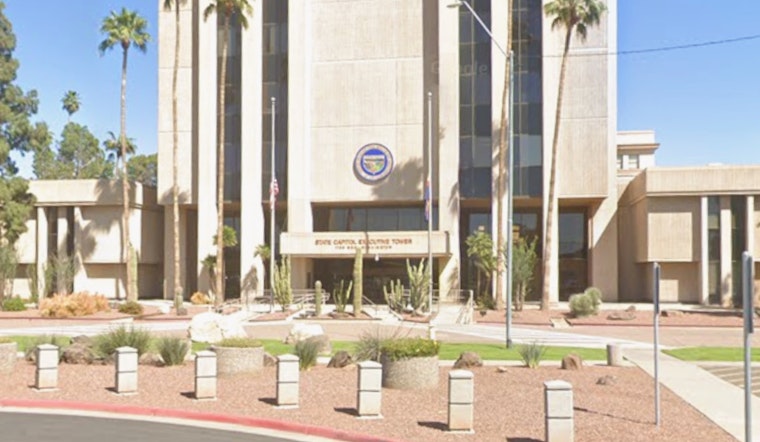
The Arizona State Board of Education has set in motion the controversial steps to remove diversity, equity, and inclusion (DEI) language from the state's teaching standards. This decision, perhaps a nod to compliance with a Trump-era executive order, could potentially put nearly $866 million in federal funding at risk for Arizona schools—an outcome that State Superintendent Tom Horne has cautioned against.
In a bid to adhere to federal guidance, Horne has been instrumental in leading the charge against what he sees as ideological language that conflicts with core academic values. As per the reporting by FOX 10 Phoenix, Horne's target is the term "equitable," which he suggests has evolved from its original sense of "fairness" to a connotation of "equal results by race," diverging from the focus on individual merit. These actions have drawn a line in the sand, highlighting the rift between educational standard keepers and those advocating for a more culturally aware pedagogy in Arizona classrooms.
The passionate responses were not in short supply at the board meeting, where educators and parents voiced their concerns and perspectives. One speaker, according to interviews obtained by FOX 10 Phoenix, defended the DEI terms in Arizona's teaching standards, arguing they were never meant to signify lower academic expectations, but rather equitable access to learning resources for all students. Opponents of the board's recent vote view it not only as an attack on historical accuracy but a refusal to acknowledge and support the multifaceted needs of Arizona’s diverse student body.
The Arizona Education Association has taken a stand to defend current standards, expressing that each child's unique background profoundly affects their learning style. Marisol Garcia, president of the Arizona Education Association, underscored this sentiment in a statement to ABC 15, advocating for educational benchmarks that "acknowledge how every child — regardless of race, religion, ethnicity, or other characteristics — brings life experiences to the classroom." Despite the pressing concerns and the impending federal funding predicament, the process to amend the teaching standards has only just begun, with promises of stakeholder committee involvement and several months of deliberation ahead.
Arizona has operated under the same educational guidelines since 2011, and this push for change could signify a broader shift in how the state conceives and delivers education.





