

























































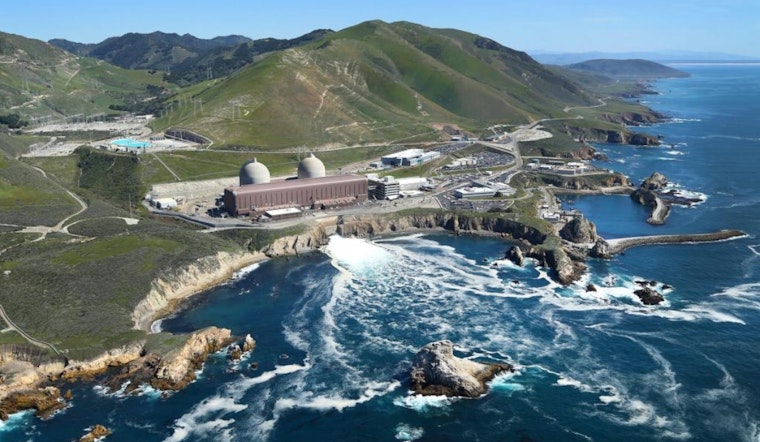
In an age where the demand for clean energy is increasingly urgent, a tech startup by the name of Atomic Canyon, in collaboration with Diablo Canyon—the last nuclear power plant operating in California—has made strides in streamlining nuclear energy production through AI, diving into the depths of complicated nuclear documentation to simplify processes and thwart the infamous paperwork bottleneck, per a recent report shared by the Oak Ridge National Laboratory.
The frenetic push for energy solutions drew this unlikely partnership to the world’s first exascale computer, Frontier, housed at the Department of Energy's Oak Ridge National Laboratory, where they co-developed advanced AI models custom-tailored to meet nuclear industry's documentation challenges and the pair’s Neutron platform, an AI that comprehends a variety of nuclear data from handwritten scribbles to extensive technical reports, aims to minimize the herculean effort required to navigate through Diablo Canyon's daunting archive totaling approximately 2 billion document pages, some projects such as an investigation into a valve issue have monopolized staff for six months pulling them away from regular duties.
"We need energy — period — and nuclear is an absolutely key component to enabling the energy we have today and building energy for the future," Atomic Canyon founder and CEO Trey Lauderdale told the Oak Ridge National Laboratory. To trim the extensive hours spent digging through records—15,000 annually in some estimates—the Neutron platform offers a natural language search tool that can, say, trace the history of a valve without needing arcane numbers or codes.
The AI’s development hinged crucially on the computing prowess of Frontier, which dispensed 20,000 GPU hours to train the project's FERMI models—named with a nod to nuclear history—allowing the AI to recognize and retrieve information based on specific user queries with lower chances of 'hallucinating' data, a problem with many commercial AI models not attuned to the precise verbiage of nuclear operations, streamlining the licensing process which is supremely complex and can drag on for weeks or even months before blueprints can be drafted and submitted to regulatory bodies for crucial approvals.
As Diablo Canyon, initially set for decommissioning in 2025, gets a lifeline extension to 2030, computers and AI like Neutron are taking center stage for Atomic Canyon and companies such as PG&E in modernizing nuclear power documentation, a shift that could ripple through the industry nationally. According to an interview with the Oak Ridge National Laboratory, Atomic Canyon’s long-term vision includes updating the FERMI models further and possibly pairing them with generative LLMs to advance nuclear AI beyond its current scope, a technological leap forward underpinned by collaborative research and federal computing assets aimed at energizing the entire U.S. nuclear fleet.





