

























































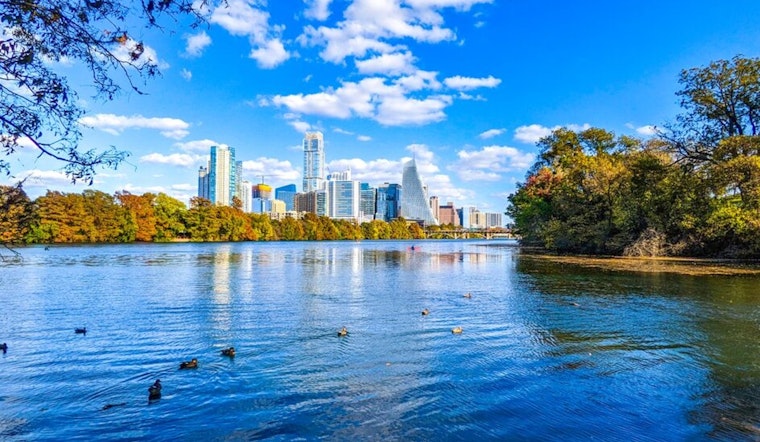
Scientists say 2025 is on track to end up among the planet’s five hottest calendar years, capping a decade of extraordinary warmth that has amplified heat waves, wildfires, and water stress worldwide. For Central Texans, that global heat record already translates into longer, hotter summers, deeper drought spells, and added strain on power and public-health systems that handle heat emergencies. Austin-area officials and emergency planners are watching the year-end datasets closely as they finalize heat-season plans for 2026.
Global data and what scientists say
International monitoring agencies have now narrowed down where 2025 will likely land in the rankings. According to the World Meteorological Organization, 2025 is set to be either the second or third warmest year on record, continuing an exceptionally hot run that follows 2024 as the warmest year. The WMO’s consolidated analysis put early-year near-surface temperatures roughly 1.42°C above pre-industrial levels, underscoring how the long-term warming trend now carries frequent monthly extremes.
The EU’s Copernicus Climate Change Service has reached a similar conclusion, finding January–November anomalies nearly identical to 2023 and describing 2025 as “virtually certain” to finish among the top three years, as reported by The Guardian. Copernicus data put recent monthly anomalies near the 1.5°C mark for parts of the year.
Independent analysts are tightening the odds even further. Carbon Brief offered a probabilistic estimate that split 2025 between second and third place, and outlets such as Weather.com summarized NOAA and ECMWF assessments that keep 2025 inside the warmest handful of years.
What it looks like in Austin and Central Texas
Those global signals are already showing up locally. A long-running city-level analysis cited in regional coverage indicates Austin now sees roughly 50 more hotter-than-normal summer days each year than it did in 1970, increasing heat exposure for outdoor workers and older residents. Local reporting has documented early-season spikes and stretches of unusually dry weather. The Austin American-Statesman has tracked the swings between hot stretches and intermittent relief, while federal drought research ties prolonged dryness to lengthened heat waves across the Southwest.
Why 2025 stayed so warm
Scientists point to a combination of record greenhouse-gas concentrations and the short-term nudges of natural climate variability. Observers, including Copernicus and the WMO, note that while ENSO cycles such as El Niño and La Niña can amplify or temper particular months, the persistent upward shift in global temperature is driven by human-caused emissions and ever-higher greenhouse-gas levels.
What comes next
Near-term forecasts suggest elevated temperatures will stick around. The UK Met Office’s outlook, reported in international coverage, projects more years in the near term that will remain hotter than long-term averages, which will keep pressure on city planning for cooling, water conservation, and worker protections, according to reporting by The Guardian summarizing Met Office guidance.
For Austinites, the practical takeaway is local: prepare for more frequent heat advisories, know where cooling centers and public resources ar,e and check on neighbors who rely on air conditioning. Scientists will finalize calendar-year rankings in the weeks ahead, but residents and officials say the consequences of hotter years are already being felt at home.





