

























































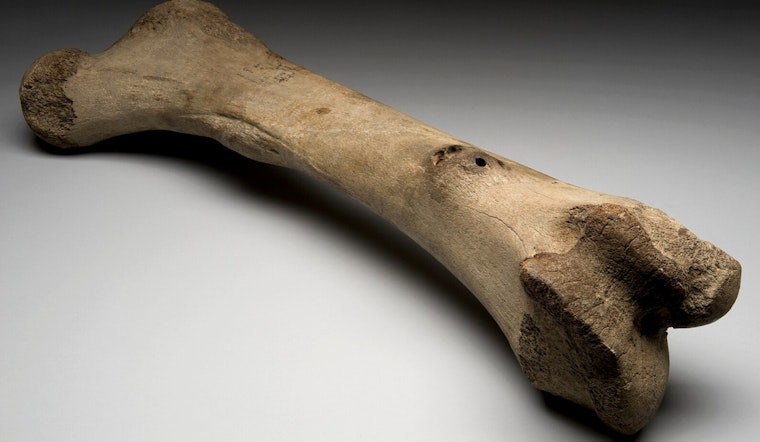
Decades after the Wilseyville killings in Calaveras County, detectives and a volunteer cold case team report new progress in the case. Using modern DNA extraction and forensic genealogy, they have developed new leads from long-stored bone fragments and identified victims connected to the case. In 2025 alone, the work resulted in two positive identifications and a genetic profile for an unidentified woman with family ties in Utah. Investigators say this progress was driven by private labs, genealogists, and local donors, rather than a surge in new tips.
The investigation took a turn in 2021, when authorities reopened a marble crypt at the People’s Cemetery in San Andreas and established the Calaveras Cold Case Task Force to fund advanced testing and genealogical research, according to the task force. The nonprofit says donated funds have paid for private lab work and expert genealogy services not covered by local budgets. Task force leaders note that community funding has been key to extracting viable DNA from degraded bone and hair, allowing profiles to be created for investigative genealogy.
A private laboratory in Utah extracted a DNA profile from remains found near the Wilseyville cabin, and forensic genealogists identified a match that led investigators to Reginald Frisby earlier this year, according to Identifinders International. Detectives reopened the case by reexamining material removed from the Wilseyville crime scene and stored in the county crypt for decades. Local reporting notes that Frisby had never been reported missing, which provides new context for understanding aspects of the historical record surrounding the killings.
Another set of bones from the crypt was identified as belonging to Brenda Sue O’Conner and returned to her family this spring, according to television coverage. The identification followed anthropological analysis and DNA testing, and a small procession was held at the sheriff’s office as her remains were returned to relatives. KCRA reported that the confirmation provided long-awaited answers for family members who had spent decades uncertain about her fate.
The Girl In The Water
One of the cases on the task force’s list involves a partial skeleton discovered beneath the Parrotts Ferry Bridge in 2015. A lower torso and legs were uncovered when low water exposed the riverbed. Investigators say the remains had been weighted down and were later recovered during drought conditions. The case had drawn attention as an unsolved mystery and is now receiving renewed investigative focus.
Detectives recently recovered head hairs from the victim’s clothing and developed a DNA profile suitable for forensic genealogy. Genealogists are now using the profile to search for potential relatives who could help identify her. The effort involved FBI assistance with evidence recovery and work by a private lab that produced a usable DNA profile, according to the Sacramento News & Review. Local outlets have reported on the renewed investigation and the open tip line for the case.
New Genetic Lead Points To Utah
Another lead from the crypt reexamination involves a DNA profile developed from stored remains. Genetic phenotyping and genealogical research linked the profile to Utah’s Sevier Valley and indicate the individual was likely born in the early 1960s. Investigators are using the profile to trace distant family connections across state lines.
Investigators are following remote genetic matches in a focused geographic area, using records such as adoption files, local church rolls, and obituaries to identify the individual, according to KSL/Deseret News. Forensic genealogists say this careful approach could eventually reveal the victim’s name and provide closure for the case.
Community Funding And New Tactics
Captain Tim Sturm and members of the task force say their progress depends on donations and partnerships with external laboratories capable of performing costly analyses. The task force has also begun using movable vinyl billboards displaying faces and key evidence around the county to engage the public. According to local reporting, the billboards are placed in strategic locations, and the task force’s website explains that contributions fund private testing and genealogical work.
Detectives say a substantial amount of work remains, but they note that two identifications made this year demonstrate that small teams, using modern technology and supported by community contributions, can make progress on cases that had been unsolved for decades.
Anyone with information about these cases can contact the Calaveras Cold Case Task Force tip line at 209-754-6030 or the Sheriff’s Office at 209-754-6500. Investigators say testing and genealogical research will continue as resources and leads permit.





