

























































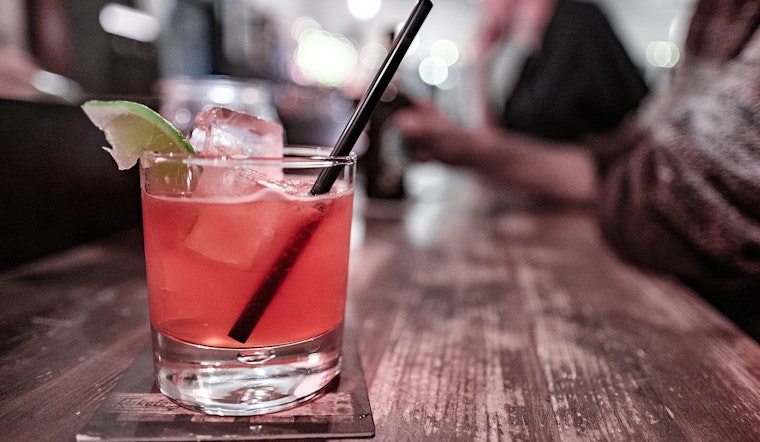
The issue of drink spiking, a devious act that transforms a casual night out into a perilous situation, has led the City of Boston to bolster prevention and raise public knowledge. The Council has unanimously backed a resolution to expand initiatives combating this offense where unsuspecting individuals find their drinks laced with substances like Rohypnol, GHB, or Ketamine, as reported by the city's official website. The objective is clear – to safeguard the city's patrons from harm.
Recognizing the severe symptoms – which range from disorientation to temporary paralysis – the resolution mandates vigilance and immediate action whenever drink spiking is suspected. According to the resolution, individuals are urged to inform an establishment's manager or host and seek medical attention swiftly. It asserts that those affected should never be left alone nor encouraged to continue drinking. And while reports show a decline in cases, from 107 in 2023 to 71 in 2024, the fear of reporting to the Boston Police Department still looms for many.
In a move rising parallel to prevention, the resolution also references an ongoing piece of legislation in New York State aimed at placing an additional layer of protection for bar-goers. This proposed law would mandate certain venues to provide drink-testing devices and inform patrons of their availability clearly. Such measures could serve as a powerful ally in detecting substances commonly slipped into drinks and helping prevent associated violent crimes, including sexual assault.
The Council's support underlines a community-wide call to arms, wherein every patron and establishment plays a crucial role in tackling the threat. Special attention is given to resources for licensed establishments and education specifically towards young women, who often find themselves as targets of these nefarious acts.





