

























































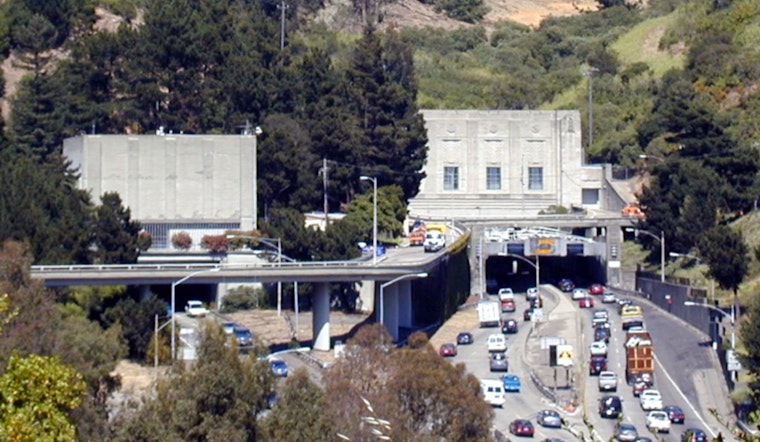
After an unexpected Christmas interruption, the Caldecott Tunnel has resumed full operation. Having weathered a storm that compromised its essential infrastructure, the tunnel was partially closed due to damaged transformers, as reported by the SF Chronicle. The critical artery, connecting Oakland to Contra Costa County, experienced significant technical failures when three transformers blew out following a series of forceful storms. The tunnel's eastbound Bore 1 and westbound Bore 3 remained closed until late Friday afternoon, with traffic diverted through the two available bores.
Caltrans spokesperson Bart Ney, in a posting by Caltrans on social media, provided insight into the inconveniences posed by the technical failures. "It’s never a good time for this to happen," he acknowledged via the SF Chronicle, noting that the holiday period played in their favor with lower traffic volumes, mitigating potential gridlocks. While Bore 1 and Bore 3 reopened around 5 p.m. Friday, Ney admitted that the blown transformers were beyond repair. Drivers, as a result, had their commutes temporarily energized by a makeshift arrangement using a generator until permanent replacements can be found and installed.
Concurrently, ABC7 News shed light on the calamity the weather inflicted upon the tunnel's internal systems. Rain infiltration led to an electrical fiasco, necessitating the shutdown of two bores due to a lack of power required to run their ventilation systems. Caltrans, while confirming that the tunnel sustained no structural damage, is still in the process of evaluating the full extent of the electrical mishap and determining whether repairs will suffice or if a full replacement of the transformers is obligatory.
"If we have to replace the transformers that will be a significant effort. Because they are pretty big. And we have figure out how to get them out. That will be a more long-term solution," Ney explained to the press. In the interim, Caltrans assures commuters that SR-24 is functioning at peak capacity again, thanks to the provisional generator.





