

























































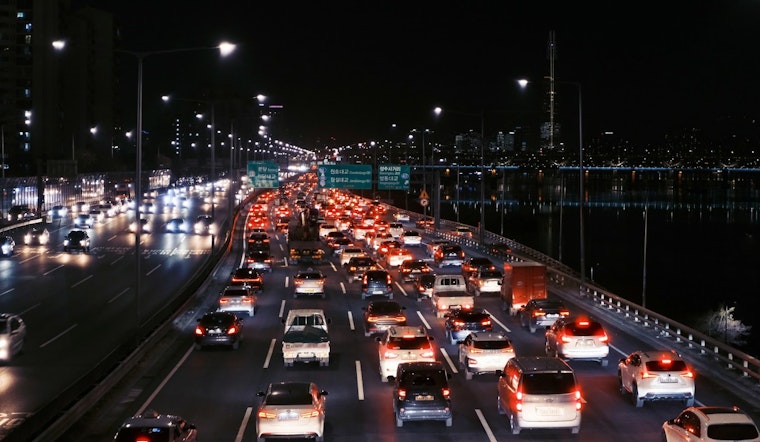
Chicago is back on top of a list nobody in town was rooting for. Drivers here are now spending an average of 112 hours a year crawling through peak traffic, edging out New Yorkers and putting fresh heat on City Hall to finally get serious about congestion and transit.
INRIX Data At A Glance
The 2025 Global Traffic Scorecard from INRIX puts Chicago first in the United States for traffic delays, with local drivers losing 112 hours to peak congestion in 2025 compared with 102 hours for New York. Globally, Istanbul grabbed the top spot with 118 hours lost. INRIX estimates that wasted time cost the typical Chicago driver about $2,063 and dragged the regional economy by roughly $7.5 billion. The report also finds congestion rising in about 88% of U.S. cities and says the typical U.S. driver lost 49 hours to traffic this year, up six hours from 2024.
Why Chicago Jumped Ahead
Chicago’s average hours lost in peak traffic climbed about 10% in 2025, a bump that helped vault the city past New York, according to the Chicago Sun‑Times. New York’s congestion, by contrast, stayed relatively steady, a trend analysts and the paper note is likely linked to Manhattan’s congestion pricing program. The Sun‑Times points to construction, slowing last mile speeds and lower transit ridership as key local forces turning Chicago’s commute into a slog.
Speeds And National Trends
The scorecard looks at “last mile” speeds - the final stretch of a trip - is not flattering for Chicago. INRIX clocked the city’s last-mile speed at about 9 mph in 2025, compared with 11 mph in New York and 13 mph in Istanbul. The firm also cautions that while car commuting has almost returned to 2019 levels, transit ridership is still about 22% below pre‑pandemic numbers. That gap, INRIX says, helps explain why congestion increased in most U.S. metros this year.
Where Gridlock Bites Hardest
If you feel like you live on the Stevenson, you are not far off. As the Chicago Sun‑Times reports, an outbound stretch of I‑55 from the I‑90 interchange ranks among the country’s most punishing corridors, costing daily users roughly 87 hours a year. Other segments of the Stevenson, the Kennedy and portions of I‑90 also land near the top of national congestion lists, showing how expressway chokepoints spill traffic onto neighborhood streets. The paper sets those corridor delays against the broader economic hit from gridlock, highlighting the stakes for freight haulers, service workers and downtown businesses that rely on reliable travel times.
Policy Pressure And The Rideshare Fee
City leaders have not exactly been idle. Chicago rolled out a targeted charge on ride‑hailing trips in the downtown core, a policy rooted in a 2019 plan that projected about $40 million a year in revenue and reserved a share for transit projects. The structure and equity impacts of that downtown rideshare surcharge were broken down by the Center for Neighborhood Technology, which detailed how the fee was designed and what it was supposed to fund. With downtown trips and deliveries still swelling, debates over broader congestion pricing or managed lanes are expected to resurface.
What Commuters Should Watch
Commuters and planners alike will be tracking whether modest demand management tools, traffic signal upgrades or fresh transit investments can ease the worst pressure points before they get even uglier. Major events on the horizon will not make that any easier. Business Wire coverage of the INRIX scorecard notes that global showcases like the 2026 World Cup will serve as a stress test for traffic systems in U.S. cities, Chicago very much included.





