

























































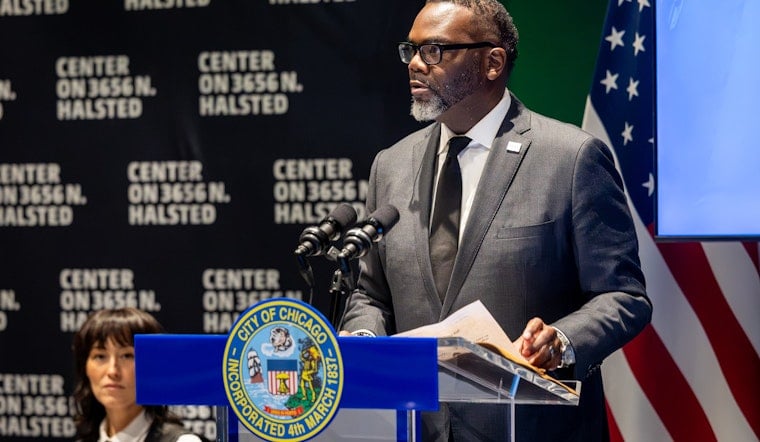
Chicago Mayor Brandon Johnson has signed an executive order launching the city's first year-round youth peacekeeping program, locking in new funding for youth-led violence prevention and putting teenagers and young adults on the front lines of conflict resolution.
What the order will do
According to CBS Chicago, the Peacebook executive order directs $900,000 to youth anti-violence efforts and creates a Peacebook Working Group that will bring on 50 part-time peacekeepers between ages 16 and 24. Those young workers will be trained to teach peers conflict resolution and de-escalation. The order also calls for full-time youth safety advisors to serve as mentors, and it tasks participants with building a youth resource map that will plug into the city's youth opportunity platform. Johnson framed the move as proof that he is "ten toes down" on investing in Black and brown children.
Roots in youth organizing
The vision behind Peacebook grew out of youth organizers with GoodKids MadCity, who have championed a PeaceBook ordinance and piloted peacekeeping programs that paid young people to mediate conflicts and lead healing circles. As reported by The TRiiBE, GoodKids MadCity's pilot and organizing helped shape the concept. Local coverage by Block Club Chicago has tracked the group's push to steer city resources toward youth-led prevention. Much of the community work tested by GoodKids MadCity now serves as the on-the-ground model the city is looking to scale.
How the city will run it
The Department of Family and Support Services will run Peacebook, handling hiring, training and coordination with community partners, per CBS Chicago. Participants are expected to develop a youth resource map that feeds into the My CHI. My Future. platform, the city's hub for teen jobs and programs that already lists summer work and neighborhood opportunities. My CHI. My Future. is likely to be a key place organizers send young people once Peacebook starts hiring.
What to watch
Advocates have welcomed the executive order, but organizers and experts caution that the real test will be long-term: whether sustained funding, targeted recruitment and clear evaluation metrics can turn Peacebook into measurable violence reduction. Reporting on violence prevention in Chicago has stressed that community violence intervention and wraparound services require years and steady investment before results show up, a point documented by The TRiiBE. Key details to watch include when DFSS releases hiring timelines, which neighborhoods are chosen as pilots and how the city plans to track outcomes tied to the $900,000 investment.





