

























































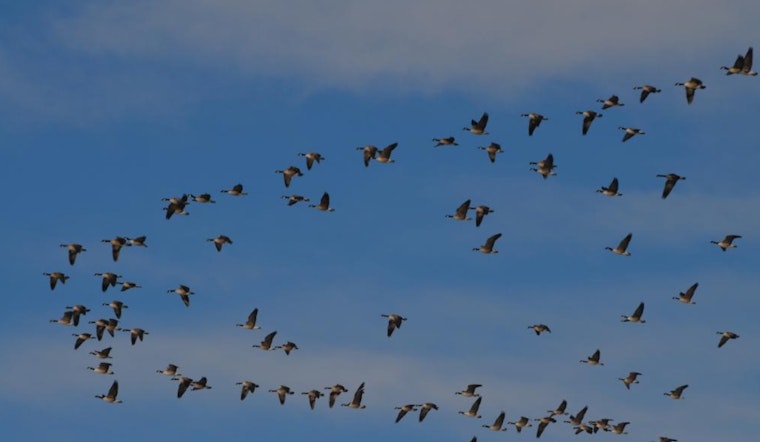
As Colorado's seasonal shift brings migrating birds into the spotlight, Colorado Parks and Wildlife (CPW) is sounding the alarm on the uptick in highly pathogenic avian influenza (HPAI) cases. Birds are falling ill, particularly waterfowl and shorebirds that congregate around water bodies, a perfect storm for the virus's spread. A nasty strain, H5N1, that reared its head in 2021 is now making a comeback on Colorado turf, first confirmed in March last year, and it's causing a ruffle with no cure in sight.
How can you tell if a bird has been hit by this flu? CPW outlines a few tell-tale signs: sluggish movement, swimming in merry-go-round circles, flights of fancy just aren’t happening, or sadly, no movement at all. CPW will step in with tests on these sick or deceased flyers when the situation calls for it or when there's a ruffle of feathers, death-wise, in new locales. If you spot a trio of ailing birds or stumble upon their remains, CPW wants a heads up. "This strain of HPAI has the potential to cause large-scale die-offs in wild bird populations as we progress into winter," CPW State Wildlife Veterinarian Dr. Peach Van Wick cautioned, though for now, the tallies in Colorado aren't sky-high, clocking in at under 20 birds, with a bear and bobcat thrown into the grim mix, Van Wick outlined, as per Colorado Parks and Wildlife.
It's not just the birds wearing the target for HPAI; wild mammals aren't immune, and they're showing signs with a neurological twist. A staggering walk, uncoordinated moves, or a just plain zapped look could spell HPAI. But don't jump to conclusions; these symptoms could be a dance with rabies, which no one wants an invite to. Here's the low-down: keep your distance from any wild animal that looks off its rocker and ring up CPW. Pet owners, heed the warning. Your furry pals at home can catch this nasty bug, too, so keep them away from any sickly or dead wildlife on their adventures, and if they do cross paths with HPAI, time to call the vet.





