

























































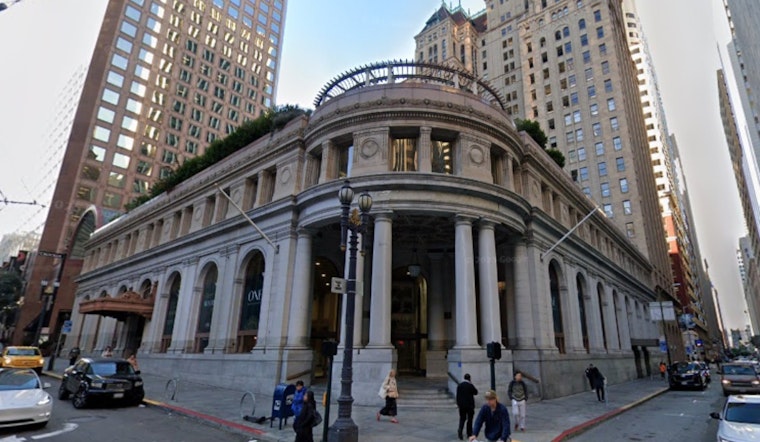
San Francisco's Planning Commission has signed off on a high-profile makeover of one of downtown's most recognizable buildings, clearing the way for Empire Records to turn the landmark One Montgomery into its global headquarters after a tense, hours-long showdown over public space and culture.
The commission voted 5-1 on Thursday to approve the project after a recess and behind-the-scenes negotiations. Empire plans to pour roughly $40 million into renovating the historic 1908 Willis Polk banking hall and to move about 150 local employees into the building, which the company bought this year for about $24.5 million. The plan calls for offices on the basement and second floors, a full-service restaurant in one of the former banking halls, and a mix of private use and public or community programming in the second banking hall and on the roof, as reported by the San Francisco Chronicle.
Rooftop Venue And Cultural Pitch
At the heart of Empire's pitch is the building's expansive rooftop, which the label wants to transform into a concert and event space that would host both public and private shows and artist showcases. The company framed the project as part of a broader push to bring more live music and industry activity into the Financial District and to turn a largely dormant property into a cultural anchor that could help pull foot traffic back downtown, according to SFist.
Concerts, Civic Events And Downtown Strategy
Empire has already tested the waters with large-scale public programming, including a free, high-profile Civic Center concert that drew citywide attention. The label argues that a steady calendar of concerts, showcases, and industry events at One Montgomery will help revive a downtown still struggling with high office vacancies and light weekday crowds. Coverage of that earlier Civic Center event and Empire's growing role in local programming shows the label positioning itself as a go-to events partner for San Francisco, per SFGATE.
POPOS Tradeoff And The Vote That Followed
The biggest flashpoint in Thursday's hearing was not the music, but the roof. Empire asked to close a long-standing rooftop POPOS (privately owned public open space) to everyday public access and to replace it with scheduled public activations. Critics warned that approving the deal could set a precedent for chipping away at downtown's limited, but hard-won, public spaces.
In response, the applicant agreed to bump its commitment to four large free concerts a year and to strip out a provision that would have allowed a fee-based opt-out of downtown event requirements. Those last-minute concessions were enough to flip two commissioners from no to yes and secure final approval. The vote also landed just under the wire, with the item decided before the city's new POPOS rules took effect, as detailed by the San Francisco Chronicle.
Security, Critics And Supporters
Empire's counsel told commissioners that privatizing the rooftop was "the key that unlocks the project," arguing that limiting day-to-day access was necessary for artist and staff safety. The company also referenced prior incidents that helped shape its security concerns, without backing away from its public programming promises.
Supporters who spoke at the hearing said the conversion would finally bring life and jobs back to a long-empty downtown landmark and inject some actual culture into the Financial District's quiet streets. Opponents countered that the tradeoff comes at the expense of routine public access to a rooftop space that has effectively served as public realm for decades.
Local business coverage earlier this year flagged the building's sale as part of the broader downtown redevelopment saga. January reporting put the price at about $22.5 million, a figure that circulated widely in early write-ups of the deal. For background on the acquisition and those initial reports, see the San Francisco Business Times.





