

























































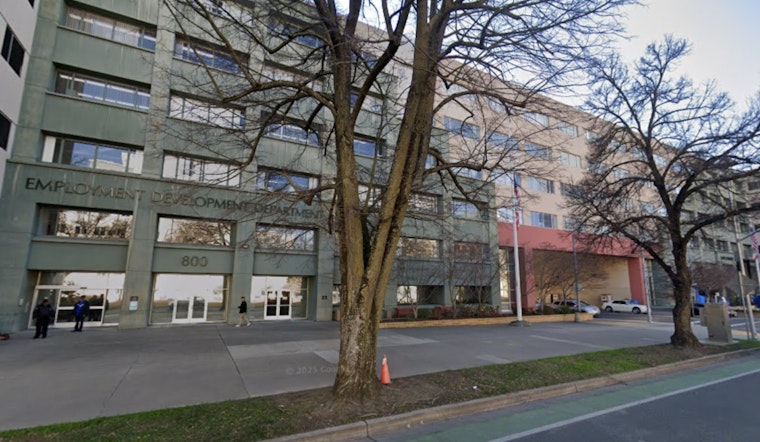
California’s Employment Development Department was still footing the bill for thousands of cellphones and wireless hotspots long after no one was dialing, texting, or tapping a single byte of data on them. A new state audit says the quiet bleed of cash ran into the millions as devices bought in the pandemic sat idle for months or even years while EDD kept paying the carriers.
According to a report by the California State Auditor, reviewers examined 54 months of billing and found EDD paid about $4.62 million in monthly service fees for mobile devices that went unused for four or more consecutive months. Those charges came from 6,285 devices assigned to the Unemployment Insurance Branch that showed no voice, message, or data use at all during the review period. The findings appear in a broader investigative report into improper activities by state agencies.
As reported by CalMatters, EDD had acquired 7,224 phones and wireless hotspots by December 2020 as the agency shifted call-center staff to remote work, but then did not shrink its phone inventory as staffing dropped. Auditors found about half of those devices went unused for at least two years, one in four sat unused for three years, and 99 devices were never used at all. That breakdown came from carrier invoices and internal records the auditors reviewed.
How Auditors Found the Waste
The investigation started with a tip and grew into a forensic deep dive into phone bills. Auditors leaned on carriers' nonusage reports, including Verizon invoices, to spot lines that had gone dark. Even at the height of the pandemic, EDD had roughly 2,000 more mobile devices than call-center staff. By April, the department was paying for service on more than 5,000 devices while employing fewer than 1,800 call representatives.
The audit team recommended that EDD monitor nonusage reports, shut off service for lines unused for more than 90 days, and put real enforcement behind those policies so the problem does not quietly resurface, according to the California State Auditor.
EDD Response and Fixes
EDD told auditors it began terminating service for idle lines on April 13, 2025, cancelling plans for 2,825 devices and later formalizing a 90-day termination policy that it says took effect on September 3, 2025. The department's IT branch now receives 30-, 60-, and 90-day nonusage reports from carriers and is actively cancelling inactive lines, CalMatters reports. Department officials said they did not realize how many lines were sitting unused until the investigation called attention to them.
Legal and Oversight Implications
Under state law, economically wasteful practices qualify as "improper governmental activity" under the Whistleblower Protection Act, the statute the auditor cited in its findings. The law explicitly defines improper governmental activity to include waste and inefficiency. Justia outlines the legal definition and reporting framework in Government Code section 8547.2.
Auditors say the fix is not complicated, just long overdue: tighter monitoring of carrier accounts and clearer inventory controls so that taxpayers are not stuck paying phone bills for devices that never leave the drawer.





