

























































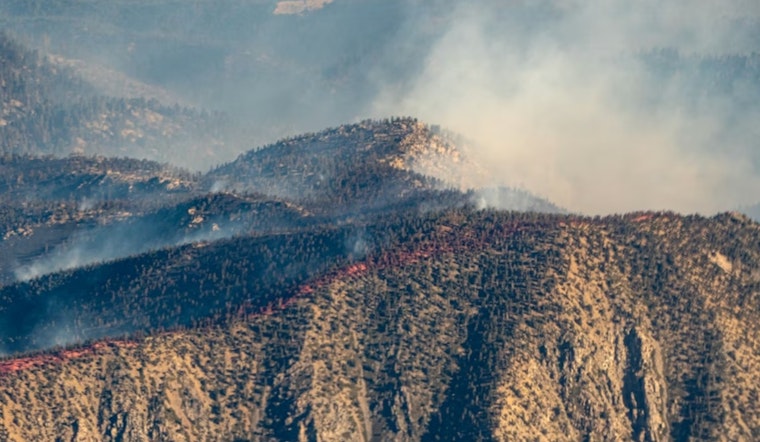
A new analysis making the rounds on Capitol Hill says the U.S. Forest Service sharply scaled back prescribed burns, thinning and other fuel-reduction work this year, leaving far fewer acres treated than in recent years. Through the first nine months of 2025, the agency logged under 1.7 million acres of treatments, well below the roughly four-year average that wildfire experts say is needed to protect communities and watersheds. The drop-off has Democratic senators and veteran firefighters pressing the agency for staffing numbers and a concrete plan to catch up before next fire season.
As reported by Times of San Diego, the data cited by lawmakers comes from an analysis compiled by Grassroots Wildland Firefighters that compares the January-September 2025 total to a roughly 3.6 million-acre annual average from 2021-2024. Senators circulated that tally in a letter demanding detailed staffing and mitigation plans from the Forest Service.
Senators Turn Up The Heat
Senators including Jeff Merkley, Martin Heinrich and Amy Klobuchar joined a group calling on Forest Service Chief Tom Schultz to explain the shortfall and spell out how the agency intends to meet wildfire mitigation needs. In a press release, Hickenlooper.senate.gov said the analysis suggests the agency is roughly 38% behind hazardous fuels reductions and set a Dec. 12 deadline for a written response.
Forest Service Pushes Back
A Forest Service spokesperson told Times of San Diego that "the deadline for reporting accomplishments in FY25 was postponed due to the government shutdown" and cautioned that analyst tallies are not final. The agency also said it met its operational hiring goal this year and reached a peak of about 11,400 firefighters by August, while acknowledging that vacancies remain in some regions.
Experts And Firefighters Sound The Alarm
Wildfire scientists say the current pace of treatments is far below what is needed. "Fuel load reduction efforts likely need to increase at least 10 times their current levels," Matthew Hurteau of the University of New Mexico told reporters, and veteran firefighter Riva Duncan said early budget cuts and the firing of probationary staff created uncertainty that stalled mitigation work. Those comments and the underlying data were reported by The Salt Lake Tribune.
Legal And Oversight Implications
The senators' letter asks for details on vacancies, hiring plans and how the Forest Service plans to make up the missing mitigation work, and it signals potential congressional oversight if the answers are not satisfactory. Hickenlooper.senate.gov warned the decline in hazardous fuels reductions "poses a serious risk to public safety, public health, and the economy," language that could help trigger hearings or additional funding requests. Agency officials said they can still update FY25 totals once reporting is finalized.
Why This Matters Locally
For communities across California and the broader West, fewer prescribed burns and thinning projects mean missed chances to reduce wildfire severity near towns, key infrastructure and vital watersheds. Funding freezes and staffing moves earlier this year forced nonprofits and crews to pause projects, a reality that local coverage has highlighted, including Wyden Grills Forest Service Chief. Reuters also documented how federal funding and hiring changes slowed on-the-ground prevention work in the West.




