

























































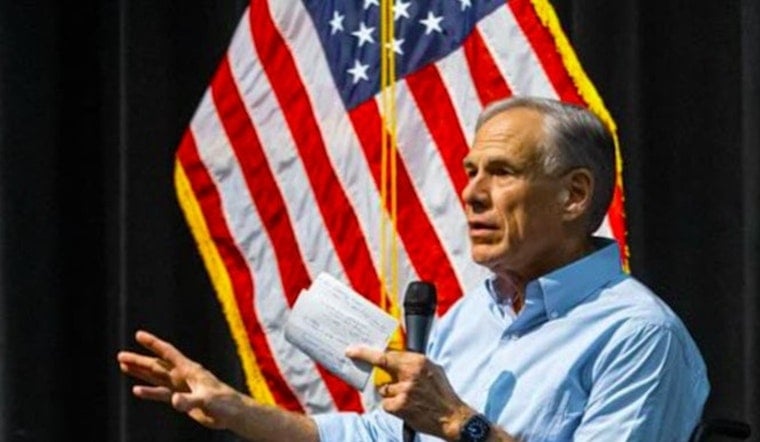
As 2025 draws to a close, Texas Governor Greg Abbott is highlighting a slew of public safety initiatives he believes have significantly bolstered the security of communities throughout the state. In a recap of the year's achievements, Abbott points to legislative and law enforcement successes that he says have delivered on the promise to give Texans "the freedom to live in a secure and safe state," as reported by the Office of the Texas Governor official press release.
Particularly notable is the Texas Repeat Offender Program (TxROP), which sought to directly confront violent crimes by repeat offenders in the Houston area. According to the Office of the Texas Governor, Abbott proudly emphasized the program's impact in a statement, "The Repeat Offenders Program has advanced the state's public safety mission and put 135 repeat offenders behind bars." The TxROP's recent activities boast a record of 193 arrests over a two-month period, with notable confiscations including drugs and weapons.
Aside from focusing on habitual criminals, the governor's office announced last month the detainment of 31 immigrant drivers during a joint operation on I-40. Abbott's administration claims the enforcement action was a move to protect road safety against unlicensed or improperly licensed drivers. Merging state and federal efforts, this operation aimed to bolster public confidence in the safety of Texan roads, with Abbott criticizing "liberal states like California" for their driver licensing policies for undocumented immigrants.
Furthering his public safety agenda, Abbott ceremonially signed comprehensive anti-human trafficking legislation mid-year. The governor's approach significantly ramps up penalties for traffickers, especially those targeting children and the vulnerable. "Senate Bill 1212 increases the penalty for all human trafficking offenses to a first degree felony," Abbott stated, further emphasizing the bill's strict no-parole stance for traffickers of these demographics. House Bill 2306 notably eliminates the chance of parole for those convicted of trafficking a person when the victim is a child or has a disability.
Moreover, Abbott targeted potential threats from foreign entities by signing a trio of bills prohibiting certain land acquisitions and facilitating criminal offenses for transnational repression. "Hostile foreign adversaries like China, Russian, Iran, and North Korea, as well as foreign terrorist organizations like Tren de Aragua, must not be allowed to own land in Texas," declared Abbott, following through on campaign promises to keep Texas lands and infrastructures out of foreign hands perceived to be potentially hostile, according to the Office of the Texas Governor.
Cybersecurity was equally on the governor's radar, as he inaugurated the Texas Cyber Command through House Bill 150. This San Antonio-based agency's mission is to proactively defend against and respond to cyber threats. Highlighting the state's vulnerability to digital aggressors, Abbott asserted that the command's formation marks Texas's commitment to not just face, but to be on the front lines of cybersecurity defense.


