

























































A newly released county list shows 31 people were found dead along Houston-area bayous this year, a jarring number that has neighbors along Buffalo, Brays and White Oak looking uneasily at the water. Many of the cases on the list are labeled "undetermined" or "pending," leaving families and local officials with more questions than answers.
What the new list shows
The tally, compiled from medical examiner records and published in December, logs 31 recoveries from Harris County bayous in 2025. The list includes drownings, vehicle recoveries, homicides and a long line of cases still marked as undetermined or pending. According to an investigation by the Houston Chronicle, that total follows 35 recoveries in 2024, forming a two-year spike that has turned quiet waterways into the focus of intense public scrutiny.
Local TV outlets quickly picked up the story, and KHOU aired a segment on the list Tuesday, breaking down the numbers for viewers and amplifying the unease that many residents were already feeling.
Why many cases remain unclear
Forensic experts say the mystery around so many of these deaths is, unfortunately, built into the nature of the recoveries. Water exposure and decomposition can strip away the very clues investigators rely on to determine what happened.
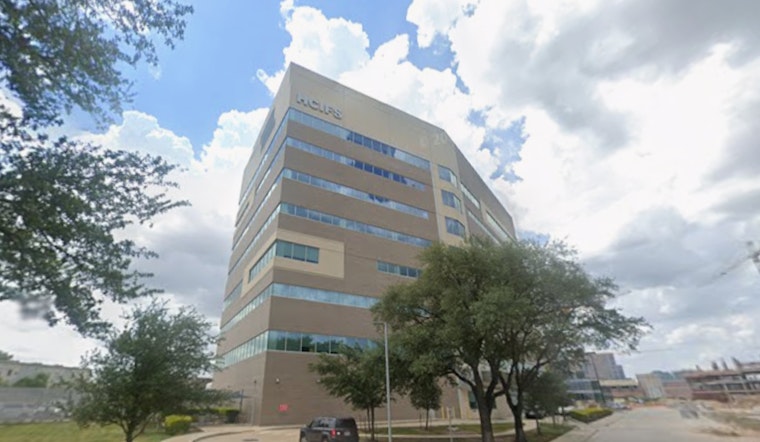
"We're missing that when a body is found in water," Galveston County chief medical examiner Erin Barnhart told reporters, as reported by the Houston Chronicle. The Harris County Institute of Forensic Sciences notes that submerged recoveries can limit what an autopsy can show and can slow down toxicology testing, which helps explain the high number of undetermined rulings (Harris County Institute of Forensic Sciences).
Officials and community reaction
As the numbers made the rounds on social media, so did theories, and city leaders have been trying to tamp down the rumor mill. Police and local officials have repeatedly urged residents to wait for official findings as autopsies and tests are completed, rather than rely on online speculation.
At a recent community meeting and in follow-up statements, officials said investigators have found no evidence of a serial killer and again asked for patience while cases move through the system, according to reporting by Click2Houston.
National context
Houston’s spike is playing out against a troubling national backdrop. The Centers for Disease Control and Prevention reported roughly 500 more fatal drownings per year in 2020–2022 than in 2019. Public health experts say pandemic-era pool closures and shortages of swim instruction and lifeguards likely contributed to that rise (CDC).
Prevention and next steps
Advocates and researchers say there are practical steps that can at least lower the risk, even if they cannot eliminate it. Better lighting and signage along waterways, clearer responsibility and coordination for maintaining urban bayous, and much wider access to swimming lessons all show up on their short list.
Groups such as the National Drowning Prevention Alliance have pushed for those layered interventions in response to the CDC’s findings, while local leaders say investigations and toxicology testing in the Harris County cases are still underway.





