

























































Maui residents should take heed as the Hawaii Department of Health (DOH) reported detecting the measles virus for the second time in the wastewater of West Maui. This latest find was identified in samples taken on November 30, as part of an ongoing routine through the National Wastewater Surveillance System (NWSS), coming after the first detection from earlier samples on November 18, according to an announcement by the DOH.
While there have not been any confirmed measles cases amongst Maui residents or anywhere else in Hawai'i thus far, health officials are not taking any chances and have ramped up surveillance measures. They're also asking medical providers to not neglect and remain vigilant for any potential measles patients. It's a delicate situation, with negative samples collected from the West Maui treatment plant on November 24 and 25, and additional tests showing no resurgence of the virus at the Central wastewater treatment site after three testing rounds in late November.
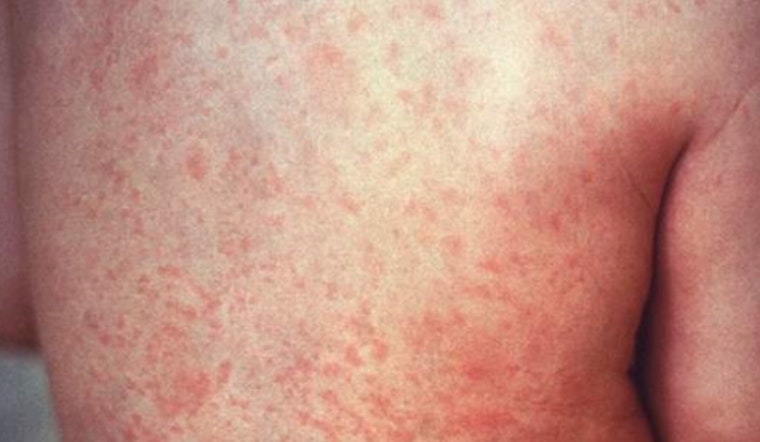
In the absence of confirmed cases, the DOH's precautionary stance seems warranted, especially given the serious potential health implications of a measles outbreak. A highly contagious virus, measles can cause significant health concerns like pneumonia and neurological illness, and can be fatal. Early symptoms of measles include a high fever, cough, and runny nose, which then lead to a rash spreading from the head downwards.
The DOH is urging the public to revisit their immunization records and ensure that they're up to date with the MMR (measles, mumps, and rubella) vaccine. Infants under one year old are especially vulnerable, given they're too young to be vaccinated, although exceptions might be made in certain circumstances for younger children between the ages of 6 and 12 months. Individuals seeking to get vaccinated can directly reach out to contact their medical provider or a local pharmacy. The DOH is also asking anyone who believes they might have measles symptoms, or might have been exposed, to quickly isolate themselves and to immediately contact their healthcare provider to help halt further spread of the virus.





.JPG)