

























































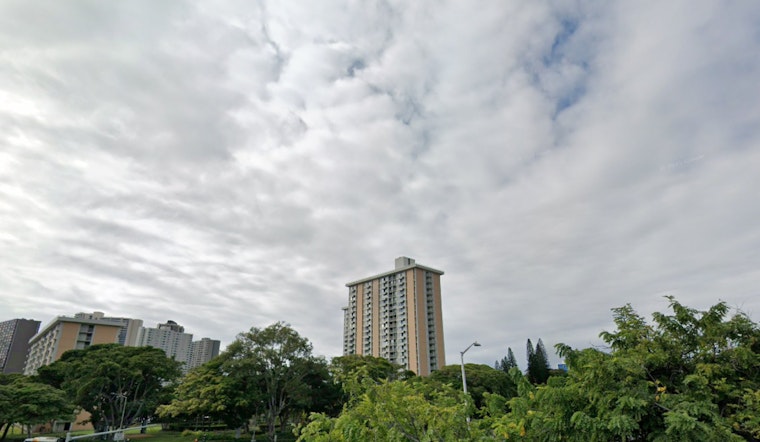
Residents in Honolulu can anticipate typically rainy conditions over the coming days, as the weather pattern stabilizes with the usual trade wind showers. According to the National Weather Service's Honolulu forecast, this is due to a dissipating front west of Kauai that's expected to weaken to a trough, allowing for a typical pattern of rainfall predominantly affecting windward and mauka areas from Saturday into early next week.
Specific forecasts illustrate a gradual strengthening of southeasterly winds today, which means the winds will push showers toward the east and southeast slopes of the islands. Though trade winds will ease slightly and shift out of the east from Saturday. The wind shift implies that while there may be pockets of moisture enhancing rainfall during certain periods, no significant sources of moisture were detected in the latest predictions. The diverging models from GFS and ECMWF suggest some uncertainty by mid-week regarding the trade winds' consistency.
Aviation alerts from the National Weather Service advise of potential moderate turbulence and low-level wind shear, particularly affecting PHOG by this afternoon, despite the generally expected VFR conditions. For mariners, a Small Craft Advisory is currently in place until early Saturday for Maui County and Big Island waters, with a forecasted moderate to large northwest swell contributing to increased combined seas of over 10 feet.
The mariners should be wary as surf conditions along northern and western shores may warrant a High Surf Advisory due to the peaks of an incoming northwest swell, as reported by the NWS. This oceanic activity is compounded by the peak monthly tides and elevated water levels, which raise concerns for minor coastal flooding during early morning peak tides; east shore surf will also grow choppier as trade winds strengthen later on.
Despite the various advisories for aviation and marine activities, the National Weather Service projects that critical fire weather conditions are unlikely this week in Honolulu. With relative humidity near seasonal norms and low winds increasing to only moderate strength, the risk of fire remains below critical thresholds. Officials, however, continue to monitor the situation as these forecasts are subject to change along with the evolving weather patterns.




