

























































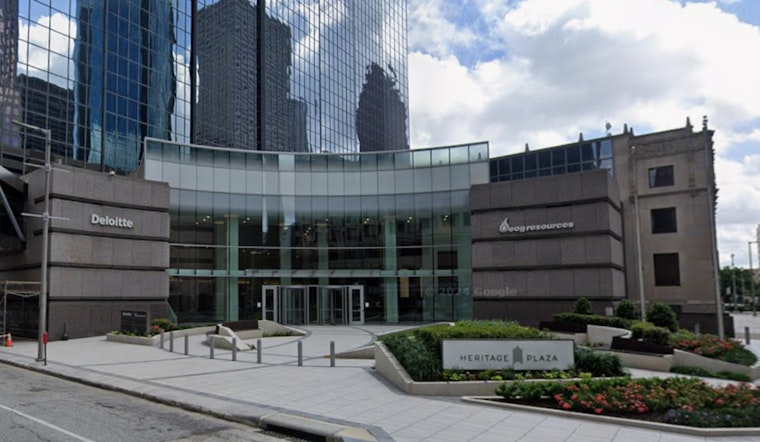
EOG Resources' $5.6 billion grab of Encino Acquisition Partners landed as one of Houston's headline deals in 2025, instantly turning the Utica shale into a core franchise for the city’s biggest independent producer. By stitching together hundreds of thousands of net acres, EOG reshaped its production mix and stirred up fresh talk about shareholder returns and the local energy M&A pipeline as the year wrapped up.
Deal basics and management pitch
On May 30, EOG said it would buy Encino Acquisition Partners for $5.6 billion, including Encino's net debt. CEO Ezra Y. Yacob pitched the acquisition as a "third foundational play" that now sits alongside EOG’s Permian and Eagle Ford positions and argued the deal would boost per share metrics from day one. The company also emphasized that it could close the transaction without issuing stock, a key point in its case that shareholder value would be protected, according to PR Newswire.
What EOG bought
The Encino portfolio delivered about 675,000 net core acres into EOG's hands, including roughly 235,000 net acres in the Utica's liquids heavy "volatile oil" window and about 330,000 net acres in gas zones. Put together, the combined position lifts EOG's pro forma Utica footprint to close to 1.1 million net acres. That enlarged inventory pushes pro forma Utica production to roughly 275,000 barrels of oil equivalent per day, a scale jump that meaningfully elevates the play inside EOG's portfolio, according to figures compiled by S&P Global.
How the company paid for it
EOG laid out a financing plan built around roughly $3.5 billion of new debt and about $2.1 billion of cash on hand, a structure that let the company avoid an equity raise. Management flagged more than $150 million of expected first-year synergies and highlighted the deal's immediate accretion to cash flow and per-share metrics in its pitch to investors. As part of the broader returns story, the board signed off on a 5% bump to the regular dividend, according to market reporting from Nasdaq.
After the close
The deal closed around midyear, and by August, EOG had already raised its 2025 production guidance, tying the higher outlook directly to the newly integrated Utica volumes, according to Reuters. By the third quarter, EOG was pumping about 1.3 million barrels of oil equivalent per day and topping profit estimates as the Encino assets rolled through its results, Reuters reported. Those numbers helped bolster management's argument that the acquisition was both accretive and a strong operational fit with its other basins.
Why it matters for Houston
Local observers cast the deal as a reminder that Houston-based players still dominate the big upstream chessboard, using sturdy balance sheets to bulk up outside the crowded Permian, according to the Houston Business Journal. National coverage framed EOG's move as a contrarian style bet on liquids-rich Utica acreage throwing off outsized value over time, a stance that underlined Houston's status as the energy deal capital in 2025, as noted by Fortune.
Quick take
As the year closes, the Encino buy stands out as a textbook case of a Houston operator spending big to refill its drilling inventory and scale up beyond the usual suspect basins. Whether rivals decide to copy EOG's Utica playbook is likely to sit near the top of investors' and dealmakers' watchlists in 2026.





