

























































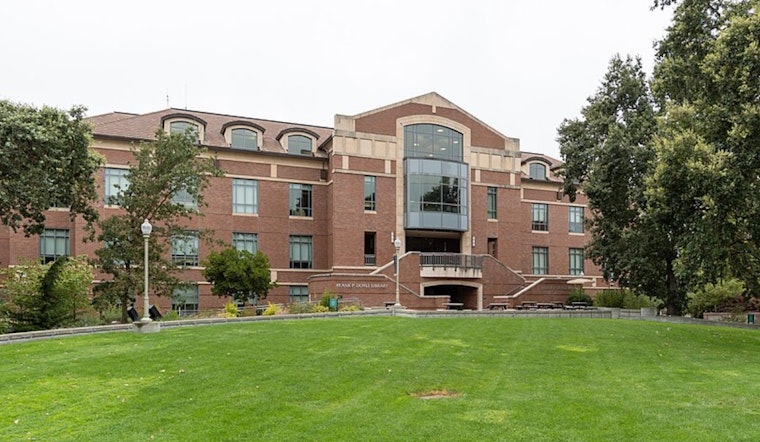
Santa Rosa Junior College is not just filling classrooms. According to a new economic impact study, the school pumped roughly $1.8 billion into Sonoma County's economy in fiscal year 2023–24 and supported nearly 19,000 jobs. That activity amounts to about 5.3% of the county's gross regional product, putting SRJC in the same weight class as some of the region's biggest industries. The analysis credits the college's day-to-day operations, student spending and the earnings of alumni for most of that punch.
Study Snapshot
The college released the numbers along with a report and fact sheet, framing the results as proof that public dollars going into local education come back around. In a statement to SFGATE, Superintendent/President Dr. Angélica Garcia said, "Santa Rosa Junior College exists because this community believes in the transformative power of education to expand access and opportunity to everyone." The district directed readers to the full study for the methodology and detailed tables behind the topline figures.
Numbers Behind The Impact
The analysis was prepared by labor-market analytics firm Lightcast and draws on FY 2023–24 institutional and county data. According to Santa Rosa Junior College, alumni working in Sonoma County accounted for about $1.6 billion in added income. College operations generated roughly $158.7 million in added income, student spending contributed about $46.2 million and construction activity added roughly $19.8 million to the county’s economy.
Jobs, Earnings And Returns
The study links SRJC’s activity to about 18,990 jobs across Sonoma County, or roughly one in every 17 positions, and notes that the college itself directly employs 1,955 people. It also estimates that students receive about $7.20 in higher lifetime earnings for every dollar they put into their SRJC education, while taxpayers see roughly $1.40 in return for each public dollar spent, as reported by SFGATE. Those returns are tied to long-term wage gains from credentials and training rather than any short-term budget windfall.
Methodology Notes
Santa Rosa Junior College notes that its latest model incorporates updates such as refined Mincer functions and newer migration data. Those tweaks are meant to improve accuracy but make one-to-one comparisons with older SRJC impact studies difficult. The main report, dated September 2025, details the methodological changes and includes sensitivity testing for key assumptions, positioning the numbers as an updated snapshot of FY 2023–24 rather than a clean trendline over multiple years.
What This Means For Sonoma
Local leaders are pointing to the findings as evidence that SRJC is both a training pipeline and a reliable economic anchor. The college served more than 32,000 students in FY 2023–24 and reports that 89% of its 1,955 faculty and staff live in Sonoma County, amplifying local spending and tax impacts, according to Santa Rosa Junior College. The study also notes that construction tied to recent capital projects translated into short-term stimulus during the analysis year.
As Sonoma County weighs workforce needs and budget choices, the report offers policymakers a data-backed case for treating the college as an economic asset as much as an educational one. For full data tables and technical appendices, readers can turn to the SFGATE summary along with the college-hosted Lightcast report and fact sheet.




