

























































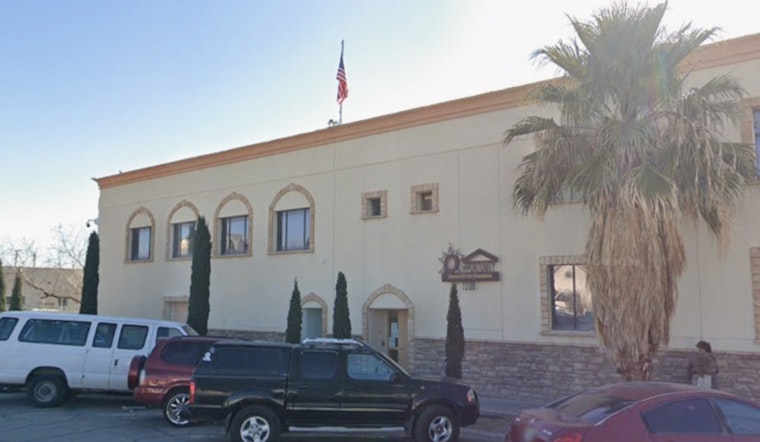
In El Paso, skipping meals is no longer a worst-case scenario for only a few, for roughly one in three residents, it is becoming a way of life. Local data and nonprofit leaders say about 35% of people in the area lack reliable access to food, and shelters are scrambling to keep up as winter creeps closer.
The Opportunity Center for the Homeless, a longtime Borderland safety net, is sounding the alarm. Staff say they are in urgent need of donations and partner support, especially proteins and fresh food. Deputy Director John Martin says the widening gap between what shelters have and what people need is forcing families into brutal choices between paying rent, buying medicine and putting food on the table.
According to KFOX14, Martin explained that the Opportunity Center "relies on individual donations and the El Pasoans Fighting Hunger Food Bank" for key staples, and that the group has an agreement with the El Paso Independent School District to redirect unused school meals to local shelters. He also warned that proteins such as chicken, beef and fish are especially scarce, and that as resources tighten, it becomes even harder to help people move out of homelessness.
Kelly Center Presentation Puts Rate Near One In Three
A recent presentation to the El Paso City Council by the Kelly Center for Hunger Relief pegged the city’s food insecurity rate at about 35%, roughly double the statewide average. Local advocates say that eye-popping figure helps explain the mounting pressure on shelters, clinics and meal programs across the city.
The Kelly Center’s materials connect food insecurity to poorer health outcomes, missed school days and higher costs for community services. In other words, the problem is not just what is (or is not) on the dinner plate; it ripples into classrooms, hospitals and public budgets.
Shelters And The Food Bank Are Stretched Thin
Providers on the front lines say the strain is obvious. Food pantries are seeing more people come through the door, but donations of fresh protein have not kept pace with canned and shelf-stable items. The region’s main food hub, El Pasoans Fighting Hunger, runs a warehouse and a network of partner agencies that move food across the Borderland. Even so, partner groups report that when demand spikes, both buying power and inventories are pushed to the limit.
How Residents And Institutions Can Help
The Opportunity Center regularly posts its most urgent needs and volunteer opportunities online, and staff say monetary gifts are especially useful because they help food banks stretch every dollar to buy fresh items when shelves start looking bare. For details on drop-off locations, donation drives and volunteer shifts, residents can check the Opportunity Center’s website at Opportunity Center for the Homeless and the food bank’s donation page.
Coordination, Funding And Longer-Term Gaps
Local officials and nonprofit leaders stress that this is not just a food drive problem. The current crunch exposes deeper gaps in access to benefits, affordable housing and healthcare, all of which raise the risk of long-term food insecurity.
One coordination effort, the Emergency Food and Shelter Program, is managed locally by United Way of El Paso and brings together nonprofit and city representatives. Program materials list the Opportunity Center and the food bank among the partners working on responses, but leaders say that sustained funding and broader policy solutions will be needed to shift the overall trend.



