

























































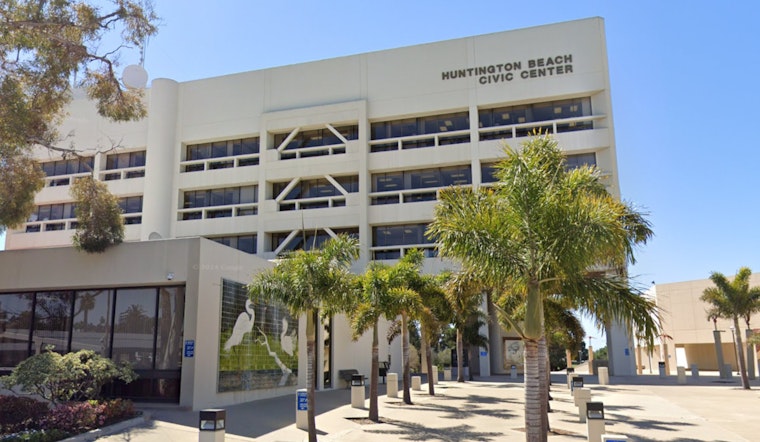
Huntington Beach just took another legal hit in its long-running feud with Sacramento. Last Monday a federal judge tossed the city’s challenge to California’s landmark sanctuary law, SB 54, leaving the state’s limits on local cooperation with federal immigration enforcement firmly in place. The court said the city never had the legal footing to bring the case in federal court, a procedural loss that state officials are treating as a win for community trust and public safety.
Judge Says City Cannot Sue The State In Federal Court
U.S. District Judge Sunshine S. Sykes dismissed Huntington Beach’s complaint after finding the plaintiffs had not plausibly shown they had standing to sue the state in federal court, according to the court order posted on DocumentCloud. The ruling leans on longstanding Ninth Circuit precedent that political subdivisions generally cannot ask federal courts to strike down their own state’s statutes.
The case was dismissed without prejudice, which sounds softer than it is. The judge’s order focuses squarely on procedural standing instead of weighing in on whether SB 54 itself is constitutional, leaving the law untouched for now.
State Officials Cheer The Decision
California Attorney General Rob Bonta said he was “pleased with this decision” and argued the ruling lets police and sheriffs keep their attention on core public-safety work rather than immigration sweeps, according to his post on X. His office had previously asked the court to throw out the case and filed papers insisting Huntington Beach lacked standing and that SB 54 does not conflict with federal law, per a press release from the California Department of Justice.
Bonta has consistently framed SB 54 as a public-safety tool that lets local officers focus on serious crime while trying to preserve trust in immigrant neighborhoods.
How Huntington Beach Pitched Its Fight
Huntington Beach argued SB 54 ties the city’s hands when it comes to using federal resources and teaming up with federal agents to tackle crime, according to reporting from LAist. The city told the court the state law strips local discretion and could limit access to federal enforcement tools.
The state countered that SB 54 already contains narrow carve-outs for serious and violent offenses, maintaining that the law is about setting state priorities on immigration cooperation, not sheltering dangerous people. The case fits neatly into a broader pattern of battles between Huntington Beach’s conservative leadership and state officials over housing mandates, voting rules and public-safety policy.
What Options The City Has Left
Because the dismissal is without prejudice, the door is technically open for Huntington Beach to try again. In practice, Judge Sykes grounded her ruling in established Ninth Circuit precedent on standing, which makes any new federal case an uphill climb, according to the order on DocumentCloud.
The city could explore filing in state court or revising its federal claims, but legal observers say those paths would come with significant legal obstacles and few guarantees, especially given the Ninth Circuit’s previous approvals of limits on local involvement in federal immigration enforcement that the Attorney General cited in his filings.
Why The Ruling Hits Close To Home
Supporters of SB 54 argue the law helps keep immigrant communities talking to police so victims and witnesses are not scared off from reporting crimes. Critics respond that restricting cooperation with federal immigration authorities can complicate investigations and undercut public safety.
The federal judge did not pick a side in that policy debate. Instead, the decision draws a bright procedural line that will shape how other California cities think about challenging state laws in federal court. For now, Sacramento officials are treating the ruling as confirmation that their sanctuary framework, and the trust-based policing model behind it, will remain the law of the land.





