

























































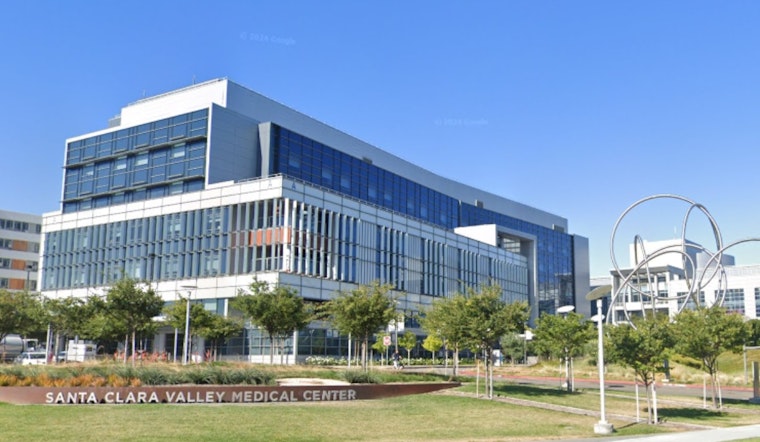
Inside the pediatric unit at Santa Clara Valley Medical Center, staff are not just treating broken bones and asthma attacks. They are running a hospital-based program that stabilizes teens and young adults with opioid addiction, pairing medication with counseling and follow-up care. The model has been credited with helping local patients get sober and plug into longer-term treatment, including a 21-year-old San Jose woman who says she unknowingly became addicted to fentanyl-laced pills as a teenager.
How the youth program works
The service is voluntary and admits people 20 and younger to Valley Med’s pediatric wing for a short inpatient stay to manage withdrawal and begin medication-assisted treatment. Patients are typically started on sublingual buprenorphine/naloxone (Suboxone) to ease withdrawal symptoms and cravings, and the unit links every patient to outpatient care and therapy after discharge, according to Santa Clara Valley Medical Center.
Most admissions last about 24–48 hours. During that stabilization window, clinicians manage withdrawal, address co-occurring symptoms like anxiety or insomnia, and lock in follow-up appointments before a patient ever leaves the floor. The hospital says the program is available every day and is designed so that a hospital stay becomes the start of a recovery plan, not the end of the story.
Medications, counseling and follow-up
For patients who need ongoing medication, the program can offer monthly injectable buprenorphine (Sublocade) as part of a package that includes counseling and close monitoring. The long-acting injection is intended to reduce cravings and provide steady buprenorphine exposure so patients are not chasing pills or riding daily ups and downs. The drug’s maker describes Sublocade as a once-monthly, provider-administered buprenorphine formulation meant to be used as part of comprehensive treatment, according to Indivior.
A patient's story and program scale
The Mercury News profiled 21-year-old Deanna Duran of San Jose, who says she first took pills at 15 that she thought were Percocet but that turned out to be counterfeit and contained fentanyl. She enrolled in Valley Med’s youth program last year, received monthly injectable buprenorphine and counseling, and was nearly a year sober at the time of reporting. The same report noted that the program, launched in 2021, has handled roughly 80 patients and 115 admissions since it began, and placed those clinical efforts against a backdrop of hundreds of local fentanyl deaths and a sharp rise in fentanyl’s share of opioid fatalities, as reported by The Mercury News.
Why a youth focus matters
Public-health experts say younger patients need fast access to evidence-based medications plus counseling, because in an era of counterfeit pills and fentanyl, a single experiment can be lethal. Organizations that track addiction care note that buprenorphine products, when combined with therapy and case management, are a cornerstone of modern treatment and can reduce illicit opioid use, lower overdose risk and improve retention in care, according to NAMI.
How to access the program
The Valley Med youth inpatient detox and treatment service operates out of the hospital’s pediatric unit and is available 24/7. For immediate questions, patients, families or referral physicians can call (408) 885-5255, and for general inquiries they can call (408) 272-6518 during business hours. For more details about services and the admission process, see Santa Clara Valley Medical Center.




