

























































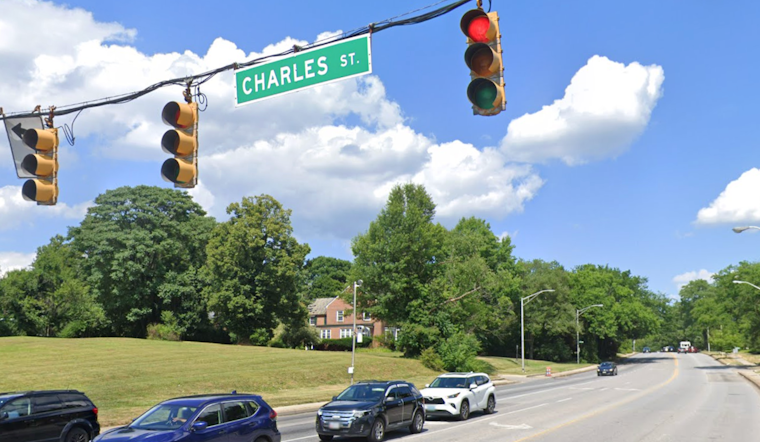
An investigation conducted by the forensic consultant RTI Group LLC has shed light on the cause behind the fiery upset beneath the streets of Baltimore in September 2024. A combination of combustible gases accumulating in a Charles Street manhole and the connecting ductwork is to blame for the underground blaze that ultimately spread and caused destruction to the city's core, as per the details Fox Baltimore revealed in their recent report.
The investigation pinpointed a significant threat lying within the bowels of the city’s aging infrastructure—a mix of various volatile gases waiting to closely ignite came together in the early hours, leading to the eruption. In response to the findings, Mayor Brandon Scott expressed his dedication to public safety, stating, "My number one focus is always the safety and protection of our residents," according to a statement obtained by Fox Baltimore. Recognizing the longevity of the issue and the importance of the newly developed recommendations, the city is making strides to ward off future incidents with proactive measures, including a pilot monitoring system meant to detect gases and high temperatures in the manhole.
The September 2024 incident, which erupted around 4 a.m. and resulted in damage to nearby businesses and a major power outage, seems to have been a ticking time bomb, as revealed by the RTI investigation that peeled back the layers of the city's subterranean dangers. Multiple utilities were found crammed in the underground space with little to no separation, leading to a precarious mix that endangered the city, as Fox Baltimore documented in their comprehensive coverage.
Underscoring the city's grappling with infrastructural woes, a previous fire in June 2025 at the intersection of Baltimore Street and Guilford Avenue brought to light the fragility of Baltimore's underground systems, which was reported by CBS News Baltimore. The RTI Group's investigation has prompted the Baltimore City Council to reevaluate its duty to ensure that the underground network of conduits does not, once again, spiral into chaos and devastation. As part of their forward-looking plan, RTI has made recommendations, including the separation of fiber cable coils and splice boxes from power cables, and the implementation of a city-wide utility-scaled drawing database, as part of the larger prevention and monitoring strategy, signaled by DOT's plans to review bids for a comprehensive monitoring system.





