

























































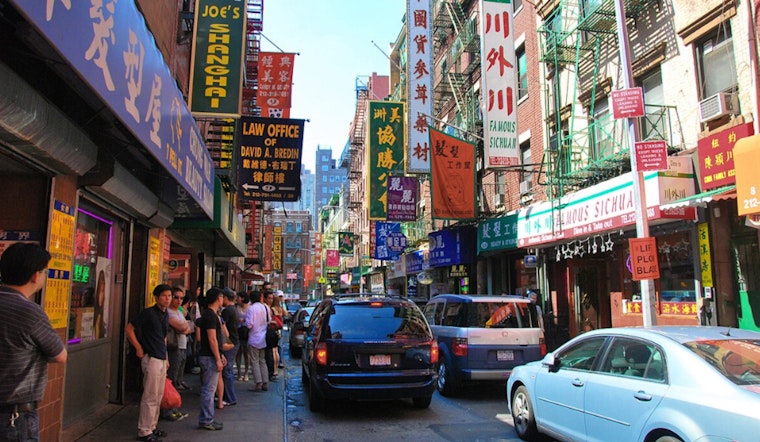
Manhattan’s Chinatown has experienced a decline in its Asian population. A report by the Asian American Legal Defense and Education Fund, cited by Gothamist, indicates that the number of Asian residents in the neighborhood has decreased by more than 20% over the past decade. The report links the decline to rising rents and changes in the local housing market.
The decline in Asian residents is occurring alongside changes in the neighborhood’s business landscape, including the introduction of new boba shops and hot pot restaurants. Historian John Kuo Wei Tchen, who has studied the history of Asian immigrants in New York City, noted the contrast between perceptions of middle-class success and the ongoing challenges of poverty in Chinatown, in an interview with Gothamist. Data indicate that rents in Chinatown have risen by 5% over the past decade, compared with a 25% increase citywide, while incomes in the neighborhood have increased by 2%, compared with a 19% increase across the city.
Similar demographic changes have been observed in other Chinatowns, including those in Boston and Philadelphia. The “Mapping Chinatown” report by the Asian American Legal Defense and Education Fund documented declining Asian populations and rising living costs in all three historic neighborhoods, according to a recent article by Sampan. Boston’s Chinatown experienced a more than 20% decrease in its Asian population, alongside significant rent increases and the construction of thousands of market-rate housing units.
In Philadelphia, the restaurant industry grew by nearly 40%, reflecting broader changes in the cultural and commercial composition of the city’s Chinatown. The “Mapping Chinatown” report notes that these neighborhoods are increasingly affected by gentrification and displacement, as per Sampan. The report also highlights the potential role of zoning protections in preserving the identity and character of these historic communities.
New York City’s rent regulation laws have moderated rent increases in Chinatown, but the introduction of luxury developments continues to affect the housing market. According to Annie Lo, co-author of the report and staff attorney at the Asian American Legal Defense and Education Fund, newer luxury units in the neighborhood are priced well above the median rent. City Councilmember Christopher Marte, who represents Chinatown, has called for comprehensive rezoning to address housing affordability in the area.
With new city administrations prioritizing housing affordability, there may be changes in policy. Historian John Kuo Wei Tchen noted that the focus on affordability addresses the needs of lower-income populations.


