

























































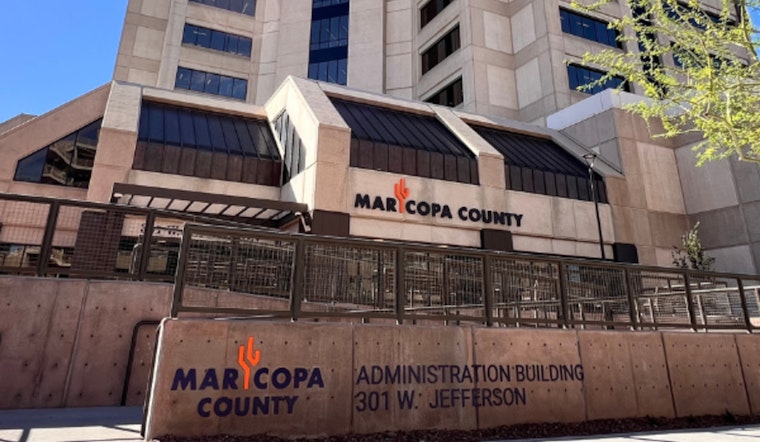
Maricopa County is charting a fresh course with its zoning ordinance, presenting a simpler framework that aims to ease the development process for housing and new technology projects, including data centers and energy storage systems; the Board of Supervisors gave their unanimous nod to the substantial revamp of the longstanding ordinance, Maricopa County reports.
"Zoning decisions at the county level can have a significant impact on quality of life—from individual homeowners or renters to major companies looking to bring their business here," according to a statement obtained by Maricopa County, Board Chairman Thomas Galvin remarked on the ordinance's ability to shape resident and corporate experiences alike, asserting it will provide greater housing variety, bring clear guidelines for both standard and high-tech projects, and safeguard community values, commending the task force, stakeholders, and county staff for their diligence and insight throughout the nearly six-month transparent revision process which enticed over 160 participants and gathered substantial community input through meetings and an online survey.
Highlights of the revised ordinance include multiple accessory dwelling units per single-family home, compliant with state law, regulations on short-term rentals to balance state law and neighborhood well-being, expedited building permits for smaller multi-family projects by eliminating the "plan of development" prerequisite, more efficient Temporary Use Permits processing, and revamped definitions for evolving tech such as Battery Energy Storage Systems and Data Centers, additionally, this overhaul reduces various constraints in single-family, rural, and industrial zones, updates sections related to drainage, violations, and compliance to mirror contemporary best practices, and trims down land use categories from 201 to 137 across all zones.
Championing his anti-red tape stance, Chairman Galvin's promised cuts materialized as the new ordinance sheds 53 pages and nearly 15,000 words from the original document, aiming to facilitate developers with at-a-glance tables and charts, the revised zoning ordinance is publicly accessible on the Planning and Development Department website, where visitors can explore further details about the initiative, the county aims to streamline the development process and embrace readiness for technological advancements, aligning local protocols with the surging needs of an evolving society.





