

























































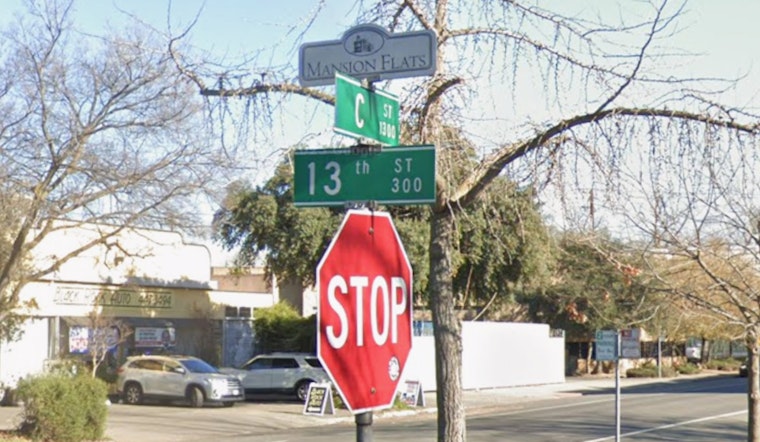
A new 30-unit apartment building in Midtown Sacramento has opened, offering mostly one-bedroom units for around $1,500 a month and accepting Housing Choice Vouchers. The construction cost is about $200,000 per unit, not including land, which is lower than larger, publicly funded projects. City officials are observing whether this approach can be used more widely.
Midtown pilot comes in with lower per-door costs
Developer Mark Merin partnered with local designer and builder Ron Vrilakas to deliver the Midtown project, and the early numbers have turned heads. According to Sacramento Bee, construction ran about $200,000 per unit before land costs. The building includes 22 one-bedroom units that opened last month, plus eight studios, and most of the apartments are already leased.
Merin told the Bee the project is meant to prove that small-scale, lower-cost infill can pencil out in Sacramento. As the article reported, he framed it as a kind of proof of concept, saying this approach “should be the answer” for adding more relatively affordable rentals in central neighborhoods.
Bundled design and construction shaved time and cost
The development team credits much of the savings to a delivery method that keeps architecture, engineering, development and construction under one roof. Instead of separate firms handing off plans and change orders, they used a consolidated design-build style setup that reduces duplicated work and delays.
Studies of design-build approaches have found that combining design and construction can improve coordination, cut down on costly midstream changes and shorten schedules, all of which bring total project costs down, according to an overview by the Federal Highway Administration. That kind of integration appears to be a key reason this Midtown project hit its lower per-door figure while still offering one-bedroom rents that sit near, but not far below, broader market levels.
City-backed hotel conversion carries a far higher price tag
Compared with that, not every path to more housing looks like a bargain. The Sacramento Housing and Redevelopment Agency’s conversion of the Capitol Park Hotel into housing has become a prime example of how expensive adaptive reuse can get, and the price gap has drawn scrutiny at City Hall.
The Sacramento Bee reported that the SHRA-backed Capitol Park project works out to about $537,000 per unit, with federal tax credits helping cover the bill, a figure that prompted criticism from Mayor Kevin McCarty. Architecture coverage has also described the Capitol Park Hotel conversion as roughly a $32 million undertaking, a reminder of how scope, building type and delivery method can blow costs apart, as per Metropolis.
Voucher holders hope smaller projects can open more doors
One immediate upside of the Midtown experiment is simple: it adds units where Housing Choice Vouchers are accepted, which is still no sure thing in Sacramento’s tight market. Local reporting has documented an ongoing voucher lease-up problem, with a Sacramento News & Review investigation finding more than 1,000 vouchers sitting unused and thousands more people waiting in line. Those numbers show the size of the gap that small infill buildings like this one are trying, slowly, to narrow.
Housing experts caution that the ingredients that made this project work, like lower land costs, a streamlined financing stack and favorable zoning, are not guaranteed or easily repeated at larger scales. Replicating the same per-door savings across hundreds of units would likely run into those constraints, even if the basic model proves sound.
For now, anyone curious about renting in the building or using a voucher there can contact the property manager, Mollie Nelson, at (916) 718-4377 for availability and voucher policy, according to the developers. The project stands as a local test case in whether leaner, design-build infill can stretch Sacramento’s housing dollars farther than blockbuster hotel conversions and other big-ticket efforts.




