

























































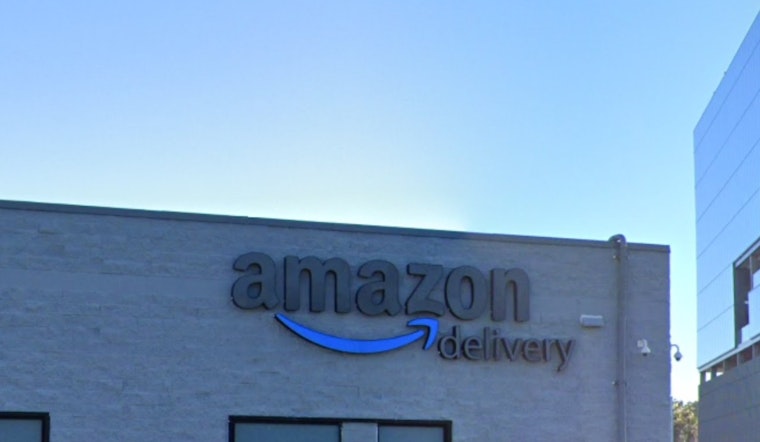
Milpitas officials have signed off on a massive new Amazon distribution center at the long-vacant LifeScan campus, clearing the way for a one-story same-day delivery hub on nearly 29 acres a short hop from the Great Mall. The unanimous vote came after labor groups pushed hard for binding local-hire and wage guarantees and after the council knocked down an environmental appeal. The project’s developer says the site will bring hundreds of on-site jobs and speed up deliveries across the South Bay.
The Milpitas City Council voted unanimously on Dec. 2 to approve the Panattoni proposal for a specialized same-day delivery center and to move forward with entitlements, according to The Mercury News. City documents reviewed by the outlet say construction is expected to start in early 2026, with the facility projected to open in early 2027, and staff estimated the project would employ about 363 people on site. During the same meeting, the council voted to dismiss an environmental appeal, allowing city staff to keep processing permits.
Big Box, Big Site, Long History
The distribution hub is planned for 1000 Gibraltar Drive at the Metro Corporate Center, a site that state records show covers about 28.96 acres, according to the project listing on CEQAnet. The California State Clearinghouse describes a proposed creative industrial building of roughly 491,040 square feet and includes the draft environmental impact report and related attachments. Amazon acquired the campus in 2021 when it bought the former LifeScan office complex, according to reporting from The Real Deal.
Union Pushback And A Failed Appeal
Labor representatives urged the council to slow things down and require binding commitments on local hiring, prevailing wages, healthcare and apprenticeship programs before signing off on key entitlements. An appeal was filed on behalf of Carpenters Local 405 by the law firm Mitchell M. Tsai. Union senior representative Doug Chesshire told The Mercury News that “families in Milpitas will be directly impacted by environmental consequences” as he pushed for stronger labor guarantees tied to the project. The council ultimately rejected the environmental appeal, clearing the way for city staff to finalize the project’s conditions of approval.
What The Warehouse Will Look Like On The Ground
Project materials describe a high-clearance, single-story distribution building with dozens of loading doors, trailer staging areas and several hundred parking spaces to support same-day fulfillment and local delivery vans. A public listing for the LogistiCenter at Gibraltar details a roughly 491,040-square-foot structure with about 84 dock-high doors, four drive-in doors, about 114 trailer stalls and around 400 car parking stalls, features meant to keep most staging and loading on site. City staff told planning officials that the chosen circulation and staging plan is designed to spread truck activity across the day. Even so, nearby residents and union leaders have argued that the facility will heighten local traffic and environmental impacts, points that are now part of the public record.
What Comes Next For Amazon’s Milpitas Megaproject
With the council vote in hand, the developer can move ahead with detailed permit processing and building permits. The city’s environmental documents include a mitigation monitoring and reporting program that will govern required construction-period measures. The project remains subject to conditions included in the environmental impact report addendum and to any further administrative or court challenges under the California Environmental Quality Act from opponents who choose to press the issue. Local labor leaders, for their part, say they plan to keep pushing for enforceable local-hire and wage standards as the project moves from paper to permits and eventually to construction.
The Milpitas decision underscores the tradeoffs city leaders are weighing as they court large logistics investments, try to meet regional delivery demands and respond to neighborhood concerns. That balancing act is unlikely to quiet down as construction timelines solidify and as city staff and the developer work through permit conditions and mitigation measures.





