

























































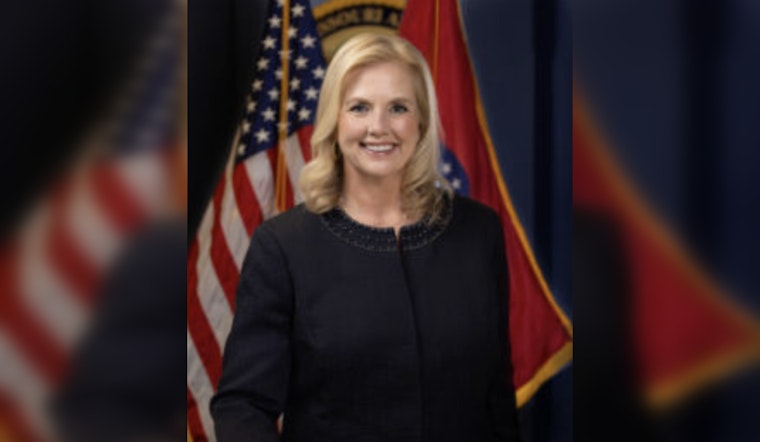
Missouri has introduced a new age-verification requirement for pornographic websites to restrict access for minors. According to the Attorney General’s Office, Missouri Attorney General Catherine Hanaway stated the measure is part of a broader effort to protect children. The regulation requires commercial sites displaying predominantly pornographic content to implement checks to verify users’ ages and prevent underage access.
Pornhub, a major player in the online adult industry, responded to the new regulation by withdrawing from the Missouri market rather than comply with the state’s age-verification requirements. In a press release, Missouri Attorney General Catherine Hanaway commented on the move, stating, "If a billion-dollar corporation would rather leave Missouri than verify that children are not accessing graphic sexual content, that tells you everything you need to know about its priorities."
As per the Attorney General's office, the regulation aims to balance privacy for adult users with protections for children against exposure to pornographic content, which research shows many encounter by age 11 or 12. Under Missouri law, any website with more than one-third of its content being pornographic must implement strict age-verification measures. Noncompliance can result in fines, injunctive relief, and other legal enforcement actions.
Pornhub responded to Missouri’s regulation by posting a statement to users in the state, asserting that basic age verification for adults is "not the most effective solution," as reported by the Attorney General's office. In response, Attorney General Catherine Hanaway reiterated Missouri’s position, stating, "Pornhub is welcome to leave Missouri. What is not welcome is any company that puts profit above the safety of our children." The state’s directive is clear: companies wishing to operate in Missouri must verify the age of their users, and those unwilling or unable to comply must cease operations within the state.
The Missouri Attorney General’s office has indicated it is prepared to take action against any entities that violate the new age-verification rule, with legal consequences for noncompliance. The implementation of this regulation represents a notable approach by a state to address digital content access and child safety, and it may serve as a model for other states considering similar protective measures.




