

























































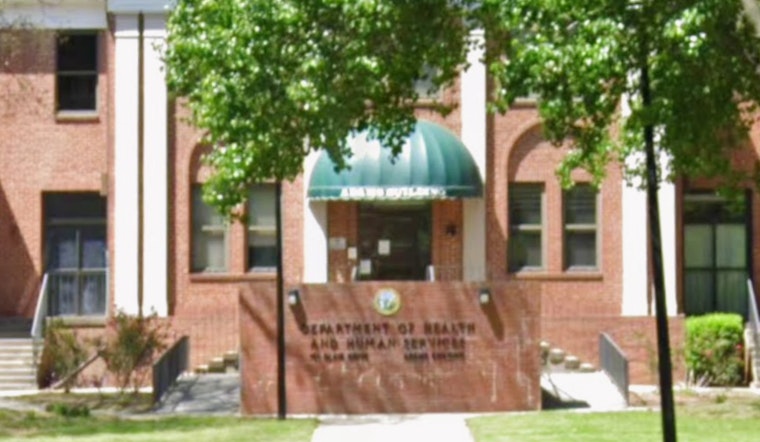
As January and Radon Action Month approach, the North Carolina Department of Health and Human Services (NCDHHS) is putting the spotlight on a silent but deadly issue affecting residents across the state: radon exposure. In a recent press release, the NCDHHS illuminated that radon, an odorless and colorless gas, is responsible for lung cancer in many North Carolinians, citing an estimated 480 deaths each year linked to the naturally occurring toxin. With tests being the only means to detect radon levels indoors, the department is urging citizens to take action and test their homes.
Significantly, the NCDHHS data indicates that higher radon levels have been found in 90 out of 100 counties in North Carolina—disturbing findings that show no respect for geographical boundaries. The same press release also notes the elevated risk for individuals who have smoked, emphasizing that smokers are ten times more susceptible to radon's harmful effects. Amid survey findings that suggest chronic under-testing over the past decade and a half, the concern is that many may be unknowingly living with high levels of radon.
The state health department has launched a campaign to raise awareness about radon and promote safety measures. County-level guidance and resources are available in multiple languages, including English, Spanish, Cantonese, Chinese, French, German, Hindi, and American Sign Language. The campaign also offers instructional videos, radon testing guides, and fact sheets for children and pets to make public health information more accessible.
Highlighting the department's proactive stance, free radon test kits will be distributed from January 1 on a first-come, first-serve basis. Realizing the gravity of the situation, the NCDHHS is offering these kits in an attempt to mitigate the risk posed by radon. The department has extended an open invitation for interviews, ready to disseminate further information through credentialed news media outlets, and can be reached through its Office of Communications via email at [email protected].



