

























































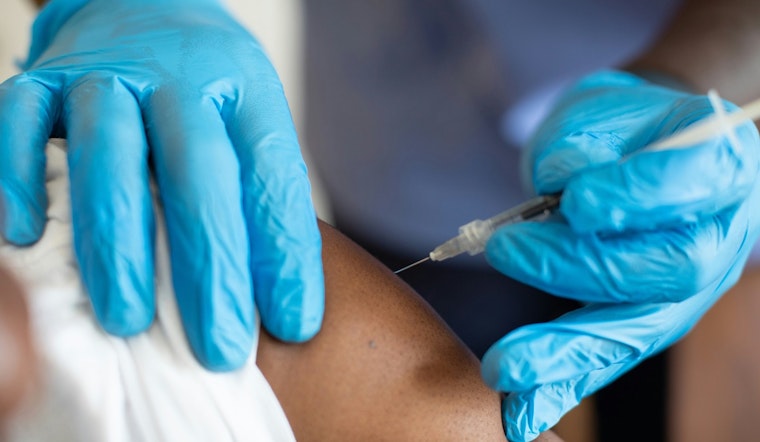
As North Carolina grapples with the holiday season, it's not just the usual festive preparations that are on the rise; the state is seeing an uptick in flu activity and related fatalities. The North Carolina Department of Health and Human Services reported that three flu-related deaths were recorded over the previous week, bringing the total to nine this season, shunting past last year's tally at this time, a cause for concern among health officials.
The virus behind the recent increase in cases is the influenza A (H3N2) subclade K strain. Although it is a global concern and the most commonly reported flu virus this season in the U.S., it differs somewhat from the influenza A (H3N2) strain included in current flu vaccines. However, early data suggests the vaccines may still offer protection, particularly against severe illness. “Flu is spreading quickly across North Carolina,” State Epidemiologist Zack Moore, M.D., MPH, said in an NCDHHS announcement, emphasizing that the influenza vaccine remains the best defense against serious outcomes.
North Carolina has not reported any child flu-related deaths so far. Flu vaccines, which may be less effective against the subclade K strain, are widely available and can be given alongside COVID-19 and RSV vaccines.
The NCDHHS has launched a bilingual Respiratory Illness Communications Toolkit for 2025–2026. The toolkit includes fact sheets, videos, and other resources to provide information on flu, COVID-19, and RSV prevention and control. Health officials recommend flu vaccination for everyone 6 months and older, especially seniors, young children, pregnant women, and people with underlying health conditions.
Basic hygiene practices—such as washing hands, avoiding face-touching, sanitizing surfaces, and staying home when sick—are also encouraged to prevent virus spread. Information on vaccination, testing, and treatment is available on the state government website, which is updated weekly to track respiratory virus activity in North Carolina.





