

























































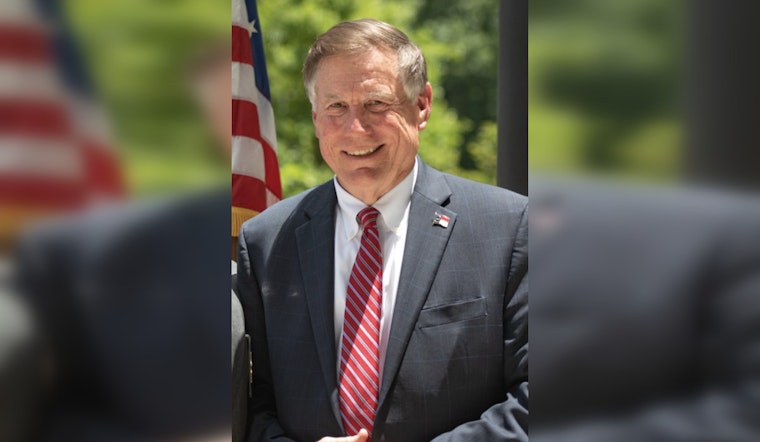
North Carolina Insurance Commissioner Mike Causey has formally urged President Trump not to grant a presidential pardon to businessman Greg Lindberg. In a letter released by his office, Causey outlined his opposition to any form of clemency, citing concerns related to Lindberg’s actions involving the state’s insurance industry. The statement details Causey’s position on the seriousness of the matter and his view that accountability should be maintained.
Commissioner Causey stated that Lindberg’s actions were neither incidental nor technical in nature. According to the press release, an 18-month FBI investigation included recorded conversations in which Lindberg allegedly attempted to bribe him in an effort to influence regulatory oversight. Causey said the conduct was intended to benefit Lindberg personally and undermine regulatory processes designed to protect the public.
Causey said the case against Lindberg was supported by substantial evidence. In his statement, he noted that the evidence was recorded at the time, thoroughly investigated, and later upheld in federal court. He also stated that Lindberg’s actions involved efforts to influence public officials and interfere with regulatory systems intended to protect policyholders, retirees, and working families.
The letter represents a direct communication from a state official to the president regarding a matter involving public integrity and the justice system. It reflects an unusual instance in which a state insurance commissioner formally addressed the potential use of presidential pardon authority. Causey’s request highlights his position that the case involved actions that could have affected regulatory oversight and the financial interests of policyholders, retirees, and working families.
As developments continue, attention remains on the White House regarding how it will respond to the request. Any decision by President Trump on the matter would reflect the administration’s approach to the use of presidential pardon authority near the end of his term.



