

























































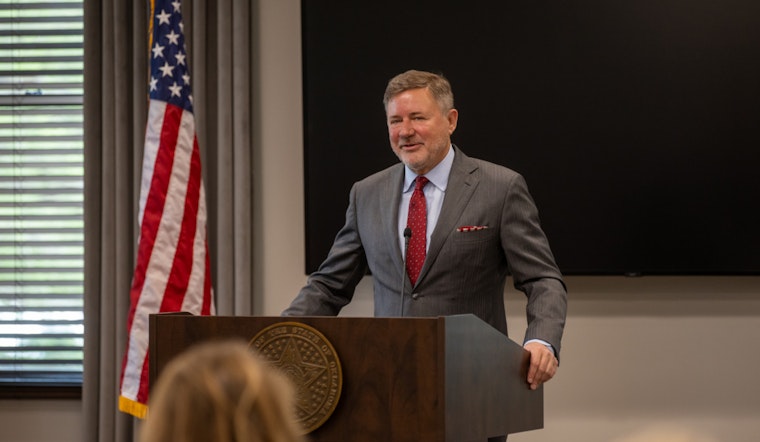
Oklahoma Attorney General Gentner Drummond is taking a stronger stand against the relentless tide of illegal robocalls, embarking on Phase 2 of Operation Robocall Roundup, directly targeting four major voice providers. In a continued effort to protect consumers, Drummond has called out Inteliquent, Bandwidth, Lumen, and Peerless, companies with substantial influence in the telecommunications market, demanding they cease the transmission of these disruptive and often deceptive calls across their networks, as reported by the Oklahoma Office of the Attorney General.
The action from Drummond's office comes after initial warnings issued in August to 37 smaller voice providers, the consequence of non-compliance, not just a rap on the knuckles, has already resulted in 13 of these companies being expunged from the FCC’s Robocall Mitigation Database—a clear cut off from the network, since this meant no provider in the United States may legally accept their call traffic, while 19 companies stopped popping up in traceback results, which presumably ending their participation in routing suspected illegal calls and at least four providers axed customer accounts flagged for transmitting illegal robocalls. These larger entities now in the crosshairs of Phase 2 are implicated in the routing of hundreds of thousands, if not millions, of these calls, despite years of industry traceback notices and warnings documented.
Drummond, with a coalition of 50 other attorneys general, has steadfastly engaged in this crusade, founding the Anti-Robocall Litigation Task Force in 2022. The Task Force's mandate is clear: investigate and legally pursue those companies at the center of generating vast volumes of fraudulent robocall traffic that infiltrates the American telecommunication landscape. As AG Drummond stated in the Oklahoma Attorney General's Office, "These phone companies have been warned to follow the rules and stop allowing fraudsters to harass and scam hardworking Oklahomans. The ridiculous flood of illegal robocalls in Oklahoma and around the country must come to an end."
The Task Force’s efforts appear to be making an impact. Phase 1 produced measurable results, including a reduction in unwanted robocalls and a shake-up in the industry. With Phase 2, officials aim to push major telecom providers to take stronger action, emphasizing their responsibility to block traffic from known and repeat offenders, explained Drummond. The continuation of suspect calls is not due to a lack of warnings or tracebacks; rather, major providers are increasingly seen as complicit in the robocall problem. Companies such as Inteliquent, Bandwidth, Lumen, and Peerless now face pressure to reform their practices or risk regulatory action and potential litigation.





