

























































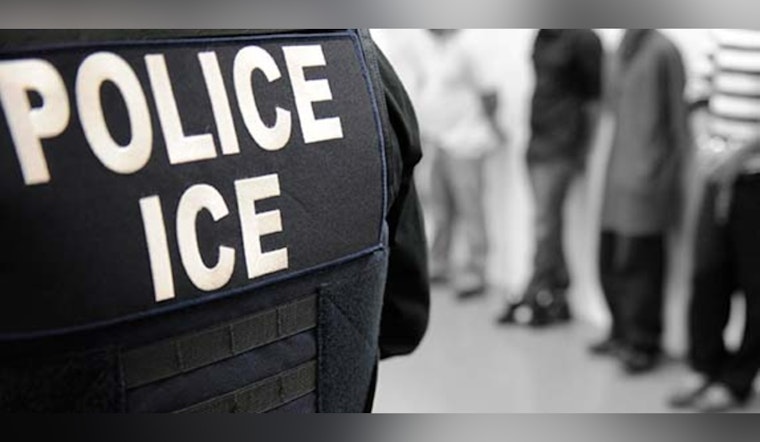
In Phoenix, Arizona, citizens have taken it upon themselves to bring transparency and accountability to the operations of the Immigration and Customs Enforcement (ICE). A volunteer network led by People First Project monitors local ICE activity and, within minutes, can warn communities of imminent raids. "People won't remember exactly the impact we had on communities in this time, but the families will remember," founder Clarissa Vela stated to ABC15. Although ICE did not comment on the influence of these tracking networks, the rapid spread of such groups reflects a growing concern over law enforcement surveillance and community impact.
Parallel to ICE's increased presence on the streets, the U.S. Border Patrol is running an extensive program to monitor drivers across the nation. Using an array of cameras and predictive analytics, the Border Patrol tracks vehicle license plates and flags patterns deemed 'suspicious,' often resulting in stops and searches far from border areas. According to an investigation by The Associated Press, this practice has been intensified by collaborations with various agencies, enhancing the network's reach and sophistication, despite raising significant constitutional concerns.
In one incident reported by the AP, Lorenzo Gutierrez Lugo, a driver for a trucking company, was stopped by a local police officer in Kingsville, Texas. The stop, ostensibly for a minor speeding violation, was instigated by Border Patrol, who suspected the vehicle might contain contraband. Based on data captured by license plate readers, Gutierrez Lugo was questioned and consented to a vehicle search, which implies the depth and influence of the surveillance measures currently employed.
Further solidifying the extensive reach of law enforcement, cameras and other surveillance tools employed by the Border Patrol have been identified in locations such as Phoenix and metropolitan areas significantly removed from the border. This technological expansion reflects a transformation of U.S. Customs and Border Protection into a more domestic intelligence operation, a transition that has drawn concern from privacy advocates. For example, Nicole Ozer, executive director of the Center for Constitutional Democracy at UC Law San Francisco, stated in The Associated Press, "These surveillance systems do not make communities safer." This sentiment echoes the disquiet among many citizens who find themselves unwittingly snared in a web of surveillance that feels increasingly intrusive.
The discussions on privacy and the protection of constitutional rights continue to intensify as surveillance methods grow both in scope and technological capability. The efforts by Arizona residents to monitor ICE and the revelations about Border Patrol's predictive surveillance program underscore a dynamic where the push for security confronts the pull for privacy, with the scale yet to settle in a place that assures both safety and freedom for American drivers and communities alike.





