

























































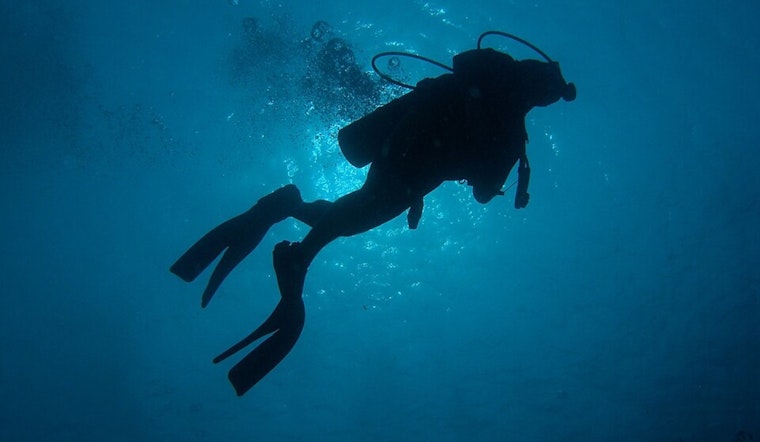
Along Hawaiʻi Island’s west and north shores this fall, popular dive spots doubled as cleanup zones as volunteers pulled thousands of feet of abandoned fishing line and dozens of pounds of lead off the reefs. Teams from Ocean Defenders Alliance (ODA) teamed up with local dive operators to run targeted cleanups at Kona’s Pine Trees "Golden Arches" site and near the Kawaihae small boat harbor, revealing how quickly recreational gear piles up on nearshore reefs and why crews keep coming back.
At Pine Trees in September, volunteer divers recovered an estimated 6,000 feet of fishing line and about 45 pounds of lead in a single dive, surfacing only when their air ran low. In ODA’s account of the mission, the Hawaiʻi Island chapter leader said the site "will absolutely be a repeat site" because lines, hooks and lures are still wrapped through coral and along the drop‑off. According to Ocean Defenders Alliance, Aquatic Life Divers provided the charter that let the team reach the debris field.
In October, 13 volunteers working with Kohala Divers carried out two dives near the Kawaihae small boat harbor and brought up roughly 3,500 feet of line, 10 lead weights, eight lures and around six ulua hooks, totaling about 50 pounds of material. Divers said line was spread across ledges and threaded through coral heads, which turned the job into a slow, careful unweaving that depended on tight underwater coordination. As reported by Big Island Now, crews also had to surface‑swim and keep close visual tabs on each other while working the site.
Why fishing line and lead are dangerous
Derelict fishing gear can cause "ghost fishing," meaning abandoned or lost gear that continues to entangle and injure fish, turtles, seabirds and marine mammals. Lines and nets can also scrape against coral and snap off coral heads. NOAA’s Marine Debris Program notes that this kind of gear can sit in the ocean for years, so removing it is key to protecting sensitive seafloor habitat and endangered species. Those long‑term risks are why state and nonprofit teams focus on in‑water removals at heavily fished access points and drop‑offs.
How to report and help
People who spot hazardous nets, lines or large marine debris can report it for rapid removal by calling the state Marine Debris Rapid Response Hotline at 833‑4‑DA‑NETS (833‑432‑6387) or by submitting a report through the Division of Aquatic Resources online form. Ocean Defenders Alliance says it relies on donated boat charters and volunteer divers to reach tough‑to‑access sites and is seeking both funding and crew time to return to known problem spots. For information on volunteer opportunities and ways to support upcoming cleanups, visit Ocean Defenders Alliance and the state reporting page.
What’s next for the dive teams
Both ODA and local coverage indicate that cleanup teams plan to revisit these hotspots, lining up emergency and quarterly charters to keep up with the steady trickle of new debris. Photos and captions shared with local outlets credit the boat crew and volunteer divers, including Captain Colin McDavid, crew members Mary Wallingford and Tanya Fleming, and divers such as Bo Pardau and Juan Chacin. As noted by Big Island Now, the cleanups form part of a broader islandwide push to protect coral reefs and marine life.



