

























































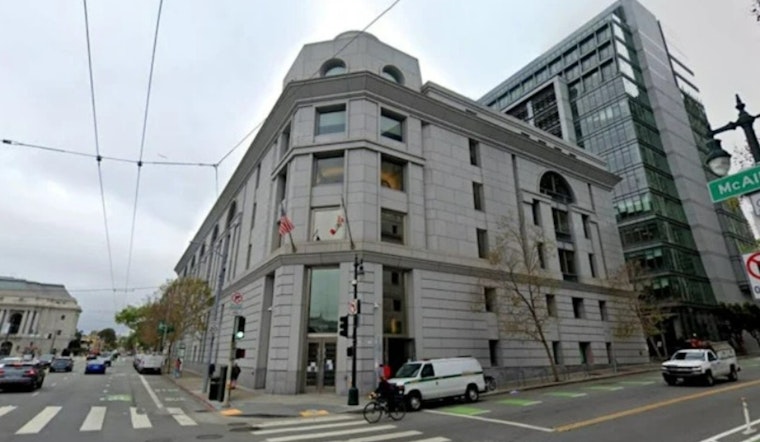
Aaron Greenspan is asking a San Francisco judge to hit rewind on a November 13 order that gutted key portions of his lawsuit against Elon Musk, arguing the ruling is riddled with citation mistakes that look a lot like generative-AI hallucinations. In his view, those errors - including what he says is a misreading of a 2020 appellate opinion - tilted the decision in Musk's favor and wrongly knocked out several of his claims.
According to the San Francisco Chronicle reporting, Judge Joseph Quinn's November 13 order cited Jones v. Goodman in a way Greenspan says mischaracterized the appellate decision. After the error was flagged, the judge issued an amended order that crossed out the problematic passage but left the overall ruling mostly unchanged, including language that could leave Greenspan on the hook for the defendants' legal fees. The Chronicle also reports that the court provided its generative-AI use policy to reporters. Adopted in August, it allows certain tools so long as human reviewers verify the output.
Why the Citation Looked Like an AI Error
A legal trade analysis from Above the Law argued that Quinn's use of Jones v. Goodman reads like something an AI tool might produce. In the order, a paragraph was treated as if it were the court's holding when it was actually the parties' argument that the appellate panel rejected. Writer Joe Patrice said the move fits a familiar generative-AI pattern: lifting real language from a case, stripping it of context, then promoting a losing argument to the status of precedent.
State Rules and the Narrow Margin for Error
The California Judicial Branch now requires courts that permit generative AI to adopt a written use policy by December 15, 2025, and to take reasonable steps to verify machine-generated material before releasing it publicly, under Rule 10.430. Legal coverage has warned that although AI tools can speed up research and drafting, hallucinations remain common and are often subtle enough to slip through rushed cite checks, a risk explored in depth by Reuters.
Hundreds of Flagged Errors and a New Deterrent
Tracking projects suggest these kinds of mistakes are not rare outliers. A public database maintained by Damien Charlotin lists more than 600 confirmed AI-related errors in legal filings worldwide since 2023, with several hundred in the United States alone. Courts have started to respond with penalties. In one example, a California appellate panel fined an attorney $10,000 after finding dozens of fabricated quotations in a brief, according to KPBS.
What Greenspan Is Asking and What Comes Next
In his new motion, Greenspan urges Judge Quinn to revisit every finding that touched the disputed citations and to reinstate the claims the court struck. The San Francisco Chronicle reporting says Quinn declined to comment on the filing, and that the court's spokesperson instead provided the AI-use policy. Greenspan now has to wait and see whether the judge treats the mistakes as harmless or outcome-changing. If the motion is denied, he could pursue appellate review.
Legal Implications
The flap highlights a growing tension for courts: generative tools can help judges and clerks wrestle with massive records, but even small AI-driven errors in written orders can plant false authority in the case law and chip away at public confidence in judicial accuracy. Recent rules and sanctions point toward a tighter environment that will demand more rigorous verification, clearer disclosure, and, when things go wrong, fee awards or discipline - a trend reflected in Rule 10.430.



