

























































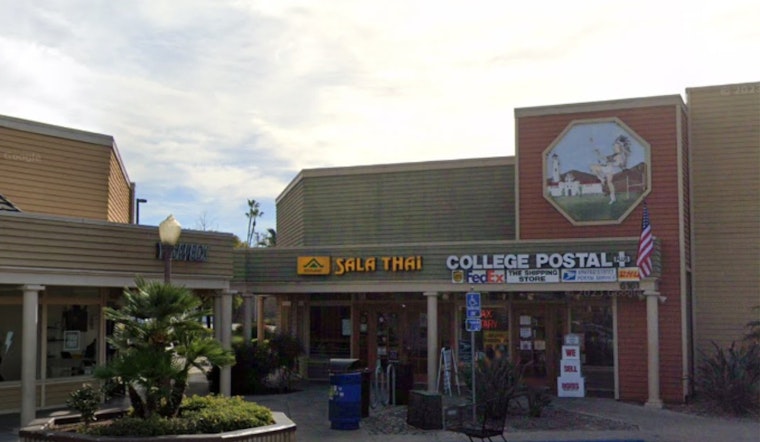
For fans of El Cajon Boulevard mainstay Sala Thai, the word "bankruptcy" showing up next to the restaurant’s name is a jolt. But the owners say it is not a goodbye, it is a reset: the long-running Thai spot has filed for Chapter 11 protection and plans to keep serving while it reorganizes.
The family-owned business filed a voluntary Chapter 11 petition last Wednesday and opted into Subchapter V small-business relief. Owner Chiravan Svangvitaya signed the paperwork on behalf of the company.
Case details and who filed
The case landed in the U.S. Bankruptcy Court for the Southern District of California and was assigned case number 25-05083-JBM11, according to Bankruptcy Observer. Attorney Michael Jay Berger of the Law Offices of Michael Jay Berger submitted the petition for Svangvitaya L.L.C., with Chiravan Svangvitaya signing as president.
The filing identifies Svangvitaya L.L.C., doing business as Sala Thai, as a small-business debtor using the Subchapter V path under Chapter 11.
What the petition says about Sala Thai's finances
The documents put Sala Thai’s estimated assets between $0 and $50,000, against estimated liabilities in the $1,000,001–$10,000,000 range, with aggregate noncontingent liquidated debts listed below $3,424,000, per WhatNow. Roughly 49 creditors are named.
Among the largest unsecured creditors are the California Department of Tax and Fee Administration, Spartan Capital, United First and Cromwell Capital, according to the petition. The documents also state that the business expects to have enough money to make payments under a Chapter 11 plan.
Sala Thai's local footprint
Sala Thai bills itself online as a 35-year fixture on El Cajon Boulevard, a familiar stop for neighborhood regulars craving curries and noodle dishes. Its website still shows a full menu and ordering options, and current listings point to ongoing service.
On the ground, that means the restaurant remains part of the boulevard’s daily life while the owners work through the court process. For now, the filing looks more like a financial regrouping than an order to turn off the lights.
How Subchapter V works and what to watch
Subchapter V is a streamlined reorganization track Congress created for small businesses. It speeds up Chapter 11 cases and pares back some procedural hurdles, including a quicker deadline for getting a plan on file, according to the U.S. Courts.
Under this setup, the debtor generally stays in control of day-to-day operations while a Subchapter V trustee is appointed to help oversee and mediate between the business and its creditors. The debtor typically must file a plan within about 90 days of the petition. The structure is meant to keep businesses like Sala Thai operating while everyone hammers out a repayment plan.
What comes next for staff, suppliers and diners
The filing triggers an automatic stay that typically stops collection efforts and lawsuits while the case is active. Early "first-day" motions in these cases often ask the court for permission to keep paying employees and critical vendors so the business can function.
Local docket watchers say the next moves will include routine notices to creditors and setting bar dates that control who must file claims and by when, according to Bankruptcy Observer. Diners looking for reassurance can keep an eye on the restaurant’s website for current hours and ordering information as the Chapter 11 case works its way through court.





