

























































A $19 million bequest meant to boost LGBTQ+ senior housing has cracked open a rift inside San Diego’s queer community, as longtime clients accuse The San Diego LGBT Community Center of secrecy and dragging its feet. What started as excitement over a once-in-a-generation gift has morphed into tense public meetings, a sharply worded open letter and calls for a forensic accounting.
Gift Details From The Center
According to The Center, the Maurice Thimot and M. Rust Rawnsley estate bequest came to about $18.9 million in total and arrived in two installments, with the estate fully completed in September 2024 after multiple properties were sold. The organization calls it the largest donation in its history and says it has subjected the gift to extensive legal and accounting review to make sure any spending respects donor intent. Board leaders say they are trying to walk a line between meeting urgent needs now and protecting the money for the long haul.
Board Meeting Erupts
On April 28, dozens of seniors packed into a board meeting to press for answers about how the money has been used so far and who gets to set spending priorities, according to Times of San Diego. During public comment, organizer Ted Callam told the board, "Transparency isn't optional," while other speakers pushed for a forensic audit and a much more detailed accounting of the estate. The showdown exposed a deep well of distrust between grassroots advocates and The Center’s leadership.
Advisory Committees Reworked
For years, an informal Senior Advisory Committee met at The Center. Community leaders say it was quietly dissolved in 2025 as part of a broader shake-up of advisory bodies, a change described in the letter that more than 50 current and former volunteers signed. The letter accuses The Center of at times treating the bequest as general operating revenue and demands that trustees either disclose the estate language or allow independent review. Signers contend the restructuring swapped long-standing, informal channels of input for a new selection process that has left many seniors feeling pushed to the sidelines.
Money, Rules And Donor Privacy
In its public update, The Center says the board signed off on a multi-year stewardship plan that includes a fixed annual allocation of $350,000 to support seniors' housing stability and related services. Leadership has paused any additional spending from the principal until it receives final legal guidance. Officials say that pause is a legal safeguard while attorneys and auditors nail down what counts as "related services" under the donors’ intent. For seniors facing rent hikes and isolation right now, that cautious approach is exactly what feels out of touch.
Rising Demand For Senior Services
Seniors already account for roughly 35 percent of The Center’s clients, and demand has surged. The organization logged about a 70 percent jump in senior service visits last year, Times of San Diego reporting shows. Those visits range from meals and exercise classes to social programs and housing navigation, services advocates say should be front and center as the bequest is managed. The sheer scale of the need helps explain why many elders say they are tired of what they view as a slow, overly legalistic rollout.
Where Housing Fits In
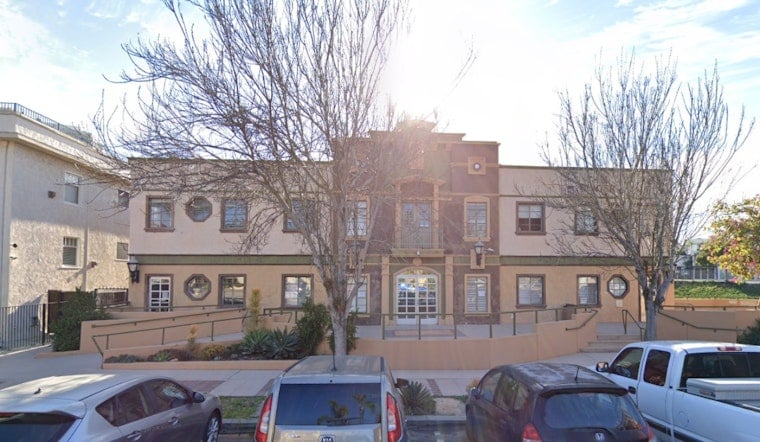
Affordable, LGBTQ-affirming senior housing in San Diego is still scarce. The closest existing model is North Park Senior Apartments, a mixed-income development with roughly 75 subsidized senior units at 4200 Texas Street, according to a California debt-limit staff report. Local coverage of the project’s 2018 opening noted that The Center provides on-site programming and referrals for residents. Because affordable housing developments must meet strict age and income rules, advocates say the real leverage often comes from supportive services and partnerships rather than trying to lock in residency for any one group.
Legal Questions And Next Steps
The signers of the open letter argue that the audit trail raises "serious concerns" about compliance with nonprofit fiduciary duties and call for either release of the estate language or an independent review, language they spell out in the letter. The Center maintains that it is following standard donor-privacy norms and says it will continue community engagement as legal guidance is finalized. Whether that will be enough to mend fences with skeptical seniors is still an open question.
Both The Center and its elder critics say they ultimately want the same thing: stable, affirming housing and services for older LGBTQ+ San Diegans. How this fight plays out will likely hinge on new legal guidance, upcoming board decisions and whether The Center can convince the very people this gift was meant to help that it is truly on their side.





