

























































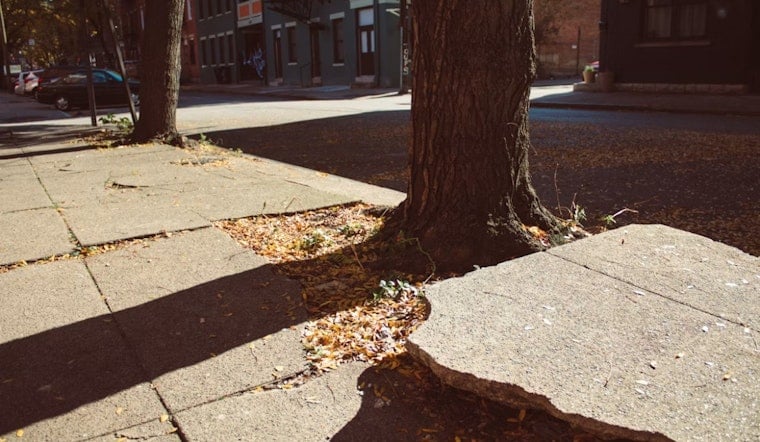
San Diego's Safe Sidewalks pilot, a permit-fee holiday and fast-track permit option meant to make homeowner sidewalk repairs cheaper and quicker, is officially headed for the exit on June 30. Property owners who received eligibility letters or have been stalling on fixes still have a short window to enroll and lock in the waived-fee process.
Since fall 2023, the city has mailed eligibility letters to more than 4,800 property owners. About 550 homeowners have had repair plans approved, and more than 340 repairs are already finished. The pilot waived roughly a $2,200 permit fee, which the city says has saved property owners over $1 million and helped spark more than $3 million in repairs so far, a total officials expect will top $5 million once all projects wrap up. City officials also told reporters that the backlog now tops 8,000 needed repairs, that wiping it out would likely take roughly $17 million a year, and that the mayor’s draft budget would boost annual sidewalk spending to about $12 million beginning July 1 while setting aside $300,000 for repairs in low-income neighborhoods, as reported by The San Diego Union‑Tribune.
The city pitched the program as a temporary permit-fee holiday with an expedited permitting timeline through June 30, and it laid out a step-by-step path for owners who receive a Notice of Responsibility on the city's Safe Sidewalks page. Owners receive a right-of-way permit and a certification form, choose a licensed contractor, complete the repairs, then send in before-and-after documentation so the city can certify the work. The page also lists contact details, including the [email protected] email for submitting paperwork, and notes that city staff may inspect repairs as needed.
How the pilot worked
The program lets property owners self-certify repairs in many cases by emailing before-and-after photos along with the signed certification form, trimming both red tape and cost for routine fixes. Naomi Chavez wrote in last Thursday's memo that this program fueled neighborhood repairs that likely never would have occurred otherwise while helping to reduce city liability for sidewalk infrastructure, as reported by The San Diego Union‑Tribune. City staff told the paper the pilot relied on existing clerical staff and one engineer rather than hiring new workers, a factor officials weighed against the long-term cost of running the program.
Money and the backlog
The city's FY27 draft capital program lists a dedicated Sidewalk Repair and Reconstruction line plus several neighborhood "sidewalk replacement" projects that together represent millions of dollars in targeted investment. Those line items, along with the broader Capital Improvements Program, will determine whether the one-off homeowner fixes encouraged by the pilot are followed by sustained public spending on sidewalks. For the full breakdown, see the city's FY27 draft budget and CIP volumes.
What homeowners should know
If you received a Notice of Responsibility, the clock is ticking. The program requires a signed permit form, a licensed contractor, and a completed certification returned to [email protected], and the fee waiver expires June 30. After the pilot ends, the normal permit process and fees return, so homeowners who start repairs under the waiver should finish and certify them before the deadline to avoid higher costs. Hang on to before-and-after photos, contractor receipts, and the signed certification in case the city checks the work later.
Legal note
Property owners remain legally responsible for sidewalks next to their parcels under state law and city policy, and ignoring a hazardous walkway can expose owners to costly trip-and-fall liability. Local reporting has repeatedly pointed out how patchwork funding and complicated rules helped create today’s backlog; for background, see Voice of San Diego. The Safe Sidewalks pilot was built in part to nudge property owners to tackle that liability sooner rather than later.
With the waiver ending at month-end, neighborhoods that benefited from the pilot will be watching to see whether the mayor’s budget turns this short-term boost into a longer-term fix. Hoodline first covered the program launch in 2023; we will update this story if the city or City Council changes deadlines or funding before June 30.



