

























































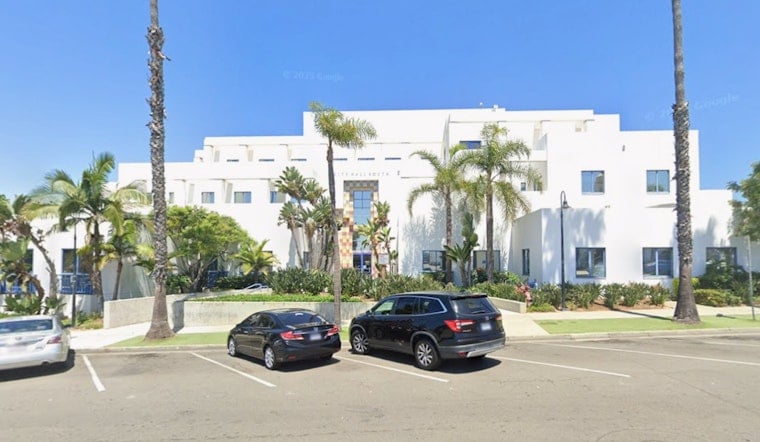
Oceanside's City Council voted 4-0 to reject an appeal from a cannabis retailer that finished sixth in the running for one of the city's two remaining storefront licenses, and now council members face an even trickier problem: breaking a three-way tie among the applicants who finished second. The council will take up that tie on August 19, when it decides how to award the city's final available in-store retail cannabis license.
An Appeal Rejected, A Tie Unresolved
TAT Oceanside, doing business as The Artist Tree, argued that the city's process was flawed and that removing the Oceanside police chief from the applicant interview panel introduced bias into the scoring, according to The San Diego Union-Tribune. The company's co-founder, Lauren Fontein, told the Oceanside City Council that the city corrupted the outcome of the results. City staffer Dane Thompson pushed back, saying the selection process is common for interviews of this sort and that removing the police chief was fair and did not prejudice the applicant. Panel member Taurino Valdovinos had asked to be excused from the interview panel to avoid a possible conflict of interest after learning that TAT Oceanside is co-owned by the wife of an Oceanside police officer, per the same account.
The council's vote came down 4-0 against the appeal, with council member Peter Weiss absent. TAT Oceanside ultimately ranked sixth among applicants and was denied a license on that basis. March and Ash ranked No. 1 in the process and has several cannabis dispensaries elsewhere in San Diego County. The Artist Tree, co-founded by corporate attorney Lauren Fontein, has grown to 12 licensed storefront and consumption lounge locations across California, according to mg Magazine, with existing dispensaries in Los Angeles, Orange and several other California counties.
The Tie That Nobody Planned For
Behind the appeal fight sits a stranger procedural puzzle: Embarc, Oceanside Retail OPCO and Green Venture Farms all tied for the city's second available in-store retail license. The city's application procedures never built in a tie-breaking mechanism, and staff initially floated a public lottery among the three second-place finishers before postponing that plan at the applicants' unanimous request so the City Council could weigh in directly, according to the City of Oceanside. Thompson said the council will discuss ways to resolve the three-way tie when it meets on August 19.
The tie is notable given how the competition started. Before Phase 3 interview rankings, nine public applicants — including March and Ash, TAT Oceanside, Embarc, Oceanside Retail OPCO and Green Venture Farms — all posted identical perfect scores of 100 out of 100 in the city's Phase 2 evaluation round, which measured basic application completeness and zoning criteria before any interviews took place, per the City of Oceanside.
Why Only Two Storefront Licenses Were Up For Grabs
Oceanside capped its citywide storefront cannabis program at four total licenses, but two of those slots were reserved as priority awards for MedLeaf and Left Coast, the city's existing delivery and manufacturing operators, according to The Coast News. That left only two storefront licenses open to outside competitors, which is why the current standings — one clear winner in March and Ash, and a jammed three-way tie for the second spot — carry so much weight. Cannabis businesses already operating in Oceanside under non-in-store-retail licenses could qualify for that same prioritized path.
In June 2025, the council voted 3-2 to remove strict location-distance criteria from the initial application scoring phase, opting instead to evaluate school and residential buffer requirements later, during the Conditional Use Permit phase. City staff had cautioned that scoring those buffers too strictly during the initial round would eliminate almost all potential storefront sites, the outlet reported.
The Clock Is Already Running
Whoever wins the second license won't have unlimited time to open its doors. Oceanside's municipal rules require winning storefront licensees to secure a Conditional Use Permit within 12 months and begin operations within 18 months of CUP approval, or forfeit the license entirely — a deadline designed to prevent companies from sitting on permits without building anything.
Oceanside has issued about 20 licenses total for cannabis-related businesses, covering delivery, cultivation, manufacturing and off-site distribution, though only a handful of those roughly 20 licenses are currently active. The city legalized medical marijuana in 2018, and its council agreed to allow recreational cannabis businesses and approved the first delivery-only retail cannabis sales in 2020. Oceanside created its first four in-store retail cannabis sales licenses and the awarding procedures behind them in 2025.
A Rare Foothold in North County
The stakes around Oceanside's two open licenses reflect a broader statewide squeeze. According to California Department of Cannabis Control data, 62% of California cities and counties still ban storefront cannabis retail outright, which drives intense competition wherever a jurisdiction actually opens up permits.
That scarcity is especially pronounced in North San Diego County, where Oceanside and neighboring Vista are the only two cities that permit storefront dispensaries and collect municipal cannabis business taxes; Vista already has 10 cannabis retailers operating. Carlsbad, San Marcos, Escondido and Poway all prohibit cannabis businesses outright, while Encinitas allows only limited commercial cannabis activities and San Diego County itself permits limited activity as well. Elsewhere in the county, San Diego, Chula Vista, National City, Imperial Beach and Lemon Grove all allow retail cannabis sales.
City officials have projected that Oceanside's retail cannabis sales could eventually generate more than $1.3 million in annual tax revenue within a few years. That figure traces back to Measure M, which Oceanside voters approved in November 2020 with 61.8% support, authorizing tax rates up to 6% for retailers and 3.5% for cultivators. The City Council followed up that December by setting a 5% gross receipts tax on cannabis retailers.
Oceanside's application scoring also built in preference points for operators willing to enter collective bargaining agreements with labor unions representing cannabis workers, a policy incentive that has become increasingly standard among California cities evaluating commercial cannabis applications. The Oceanside applicant interview panel that ranked this year's contenders included the city manager, assistant city manager, deputy city manager, finance director and police chief — though, as the appeal dispute made clear, not every seat on that panel was filled the same way for every round of interviews.



