

























































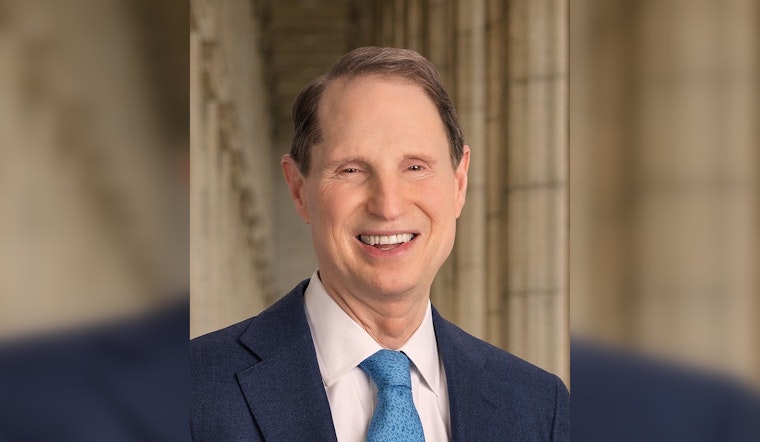
U.S. Senator Ron Wyden, D-Ore., has firmly made his position clear by casting a "no" vote on the latest National Defense Authorization Act (NDAA). Concerned about what he perceives as a bloated military budget and lax oversight, Wyden expressed his discontent in no uncertain terms. According to a statement issued by his office, the Senator critiqued the bill for its significant increase in military spending and the absence of appropriate checks to prevent abuses of power.
"I cannot support a bill that increases military spending by tens of billions of dollars and fails to include guardrails against Donald Trump and Secretary Hegseth’s authoritarian abuses," Wyden stated. The bill, he contends, continues to enable Trump's notorious pattern of using the military to forcefully impose presence in U.S. cities like Portland, which has already sparked concerns about the misuse of military resources and the undermining of civic trust. To further underscore his argument, Wyden pointed to Trump's record of using military force without Congressional sanction and to seemingly carry out political purges and enrich loyalists, as per the Senator's Office.
Despite his robust opposition, Wyden acknowledged that parts of the NDAA warranted his support, such as the provision for servicemember pay increases and the support for allies. Furthermore, the bill's move to discard the outdated 2002 authorization for military force in Iraq and bolstering assistance to Ukraine and Indo-Pacific allies are aspects Wyden found commendable. However, the Senator lamented the lack of substantial oversight and whistleblower protections within the Intelligence Authorization Act, which is included within the NDAA.
With a touch of approval toward his personal contribution to the legislation, Wyden noted, "The bill does include a provision I added to declassify information on whether foreign governments have helped their nationals accused of crimes in the United States to flee the country to avoid justice." Yet, he remained steadfast in his belief that the negative aspects of the bill greatly outweigh its potential benefits. Concluding his criticism, Wyden explained, "For these reasons, among many other flaws in this bill, I voted ‘no,’" according to the same press release.





.jpeg)