

























































Starting Jan. 1, 2026, water customers served by the Santa Fe Irrigation District, which includes Solana Beach and parts of Rancho Santa Fe and Fairbanks Ranch, will see higher bills after the district signed off on wholesale pass-throughs. Potable (drinking) water rates are set to rise roughly 5%, while recycled-water customers are looking at about a 10% jump. District leaders emphasized that the increases are being passed through from regional suppliers and that SFID is not raising its own operational charges.
The SFID Board of Directors voted unanimously last Tuesday to adopt the changes, the district said in a news release. In a press release issued by the Santa Fe Irrigation District, the board noted that it approved a 0% increase for SFID’s operational and capital costs and tapped reserves to offset internal spending while passing on what it described as unavoidable wholesale costs.
Wholesale water purchases account for approximately half of a typical SFID customer’s bill, which is why regional hikes are passed directly onto retail rates. The San Diego County Water Authority approved an 8.3% increase in wholesale charges for 2026, according to the San Diego County Water Authority, which says the jump reflects investments in reliability along with higher treatment and energy costs. Those wholesale changes are the main driver behind SFID’s roughly 5% potable pass-through.
Recycled-water customers face a steeper increase because a long-running subsidy that had kept SEJPA prices lower expired in September 2025, according to the district’s rate materials. As detailed by the Santa Fe Irrigation District, the original grant spanned 25 years, and SEJPA must now recover the lost revenue, which translates to approximately a 10% increase for recycled-water deliveries.
Why Lake Hodges matters
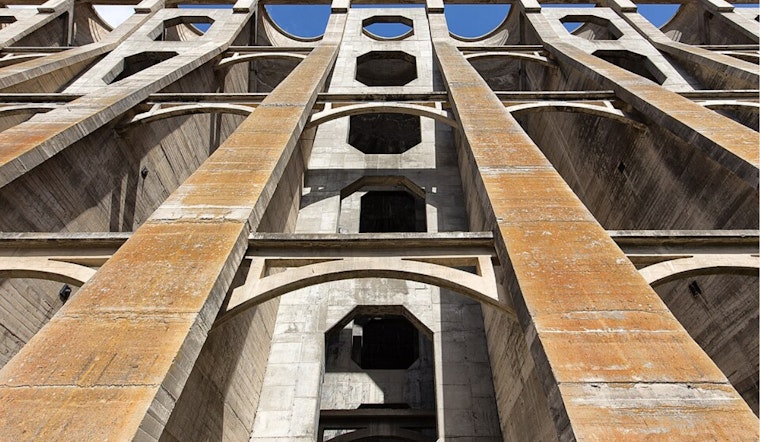
SFID’s ability to lean on cheaper local water from Lake Hodges has been sharply limited since state dam-safety orders lowered reservoir storage and forced more purchases of imported water. State reporting shows the Division of Safety of Dams imposed restrictions after inspections found structural issues, and repairs began in 2022 with a replacement timetable stretching into the next decade. As reported by CalMatters, those limits have reduced regional storage and contributed to higher wholesale costs.
What this means for your bill
The exact impact on your wallet will depend on meter size, customer class, and the amount of water you use through the tap or sprinklers. SFID has published detailed rate-impact tables that break out the differences by meter and usage level. Customers will receive a mailed notice spelling out the timing and bill changes. The district says customers can also track their consumption through its online portal. Officials reiterate that SFID used reserves to avoid raising its own operating charges this year, and that customers who need assistance can contact SFID's customer service about bill help.
The board also said it will continue pursuing legal avenues to regain local water from Lake Hodges and to hold the dam owner accountable, a move officials say could help ease pressure on wholesale purchases in the future if it succeeds. For now, board members framed the decision as the least harmful option for ratepayers: keep local charges flat, absorb what they can with reserves, and pass along only the wholesale increases they say they cannot avoid.



