

























































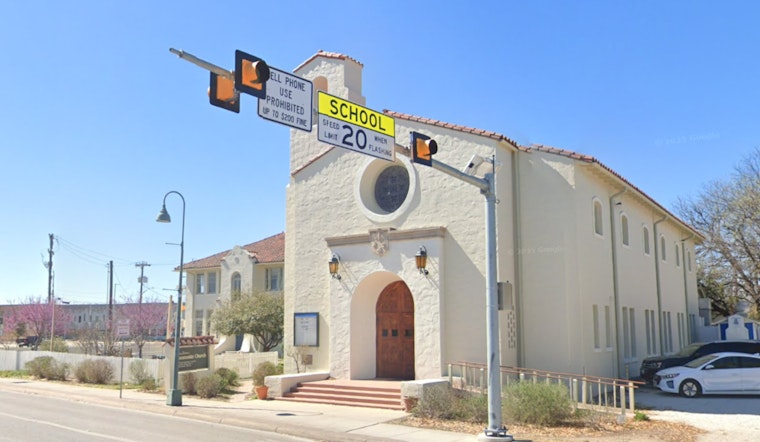
On San Antonio's South Side, the pastor of a small Spanish-language Mennonite church says federal immigration agents have started detaining members of her flock during routine government check-ins, leaving families scrambling and several parishioners in Texas processing centers. According to the pastor and local advocates, the arrests are happening at the very appointments migrants have long viewed as a required step in keeping their immigration cases on track.
Pastor Dianne Garcia of Iglesia Cristiana Roca de Refugio told WJHL that the detentions began about six weeks ago and that roughly a dozen congregants have been taken into custody, with about five still being held and others already deported. Garcia said she has visited people held at the Karnes County and Dilley immigration processing centers and that two of those detained were single mothers with young children. She estimated that around 40 individuals and about 40 families in her community have felt the impact.
Check-In Arrests Tied To Wider Enforcement Push
Reports from other cities describe similar scenes, with people taken into custody when they show up for scheduled appointments with ICE, a pattern that has rattled attorneys and faith leaders. NBC News has documented hundreds of arrests linked to scheduled check-ins during a recent enforcement uptick. Data and reporting from national outlets also point to a rising share of people in ICE detention who have no criminal convictions, a shift tracked by The Guardian.
Who Is Being Held And Where
Garcia said members of her congregation who were detained are being held at the Karnes County and Dilley immigration processing centers in Texas. She told WJHL that the arrests began in early November and have already touched dozens of people in San Antonio. Those in custody include working parents and others who, according to their pastor, had been showing up for court dates and reporting as instructed by immigration authorities.
Legal Context
People in immigration removal proceedings are typically required to appear for check-ins at intervals set by ICE or through alternatives-to-detention programs, and immigration lawyers say those appointments have long been considered the safest way to comply with case requirements. An ICE spokesperson has told reporters that some of the people arrested at check-ins had “executable final orders of removal,” a phrase officials have used to defend making arrests at ICE offices, according to reporting by NBC News. Advocates argue that the practice discourages cooperation with the agency and can pull in people who still have active legal claims pending.
Churches And Advocates Respond
Garcia, who founded the church in 2023 and also runs the local nonprofit Nuevos Vecinos, has been setting up water, diapers and legal referrals near ICE offices and visiting people in detention, work previously described by the San Antonio Report. Local legal clinics and immigrant-rights groups are organizing “know your rights” workshops and hotlines to help families navigate check-ins as safely as possible. Organizers say the goal is to keep people informed about how to meet their obligations without being caught off guard.
For now, Garcia says the church will keep accompanying congregants to appointments and visiting those in custody, while attorneys and advocates push federal agencies for more clarity on the current enforcement strategy. The situation has highlighted how routine paperwork and required check-ins can quickly turn into moments of separation and trauma for families already entangled in long and complex immigration cases.





